

How To Choose The Right Retention Holsters
In the line of duty, your holster isn’t just a pouch—it's your first line of defense and your most critical asset for quick access under stress. A retention holster, when chosen properly, ensures your weapon stays secure during movement, confrontation, or abrupt combat maneuvers—and yet remains accessible when it counts. Selecting the right retention system isn’t about convenience; it’s about operational integrity and ensuring your gear performs flawlessly when lives are on the line.
Our Top Picks
Affiliate disclosure: if you buy through these links, we may earn a commission at no extra cost to you.


Making an informed choice means understanding retention mechanisms, assessing your mission demands, and choosing a holster that balances security with rapid draw speed. Get it wrong, and you risk exposure, accidental discharges, or gear failure—compromising both safety and mission success. Let’s walk through how to select the retention holster that fits your environment, equipment, and professional standards.
Safariland 6360 Duty Holster, Fits Springfield Operator, Surefire X200 & X300 Light, Level III Retention™, STX Tactical Black, Right Hand
$156.32Check Price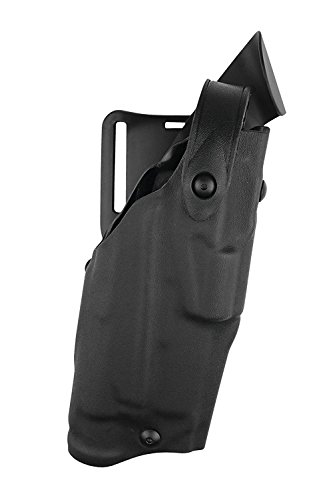
Table of Contents
Understanding Retention Types
Retention holsters employ several mechanisms to secure your weapon, each offering different trade-offs between security and speed. The two predominant types are passive and active retention systems.
Passive retention relies on friction, tension, or molded hardware—think molded polymer holsters and tension screws. These are simple, lightweight, and effective as long as they’re well-designed and properly adjusted. Active retention, on the other hand, uses mechanical devices such as thumb breaks, locking clasps, or rotating zippers that require deliberate manipulations to access your weapon. Active systems are preferred in high-threat environments where security takes precedence over rapid draw in non-critical scenarios.
Remember, the best holster isn't just about the retention mechanism—it's about how it integrates with your gear and how comfortably and efficiently you can draw during stress.
Assessing Your Mission and Environment
Your choice depends heavily on whether you’re in a routine patrol, tactical operation, or specialized assignment. Consider your mobility needs: Do you frequently navigate tight spaces, engage in high-speed pursuits, or conduct precision tactics? For close-quarters combat, a retention holster that minimize the risk of accidental dismount—like a hooded or level 3 retention—ensures your weapon stays put during aggressive maneuvers.
Environmental factors shape your choice: Wet, muddy, or dusty conditions demand holsters with secure locking features that don’t jam or degrade. For example, if you work in heavy rain, a holster with sealed retention mechanisms and corrosion-resistant materials ensures reliability over lengthy shifts.
Material and Construction Quality
Durability is non-negotiable. Your holster must withstand daily wear, extreme weather, and rough handling. Look for high-grade polymers, reinforced stitching, and resilient hardware. Poor-quality materials may crack, break, or fail at critical moments—especially when battling adverse conditions or engaging in rigorous physical activity.
Metal components—such as retention screws, locking mechanisms, and belt clips—should be corrosion-resistant. Hydrophobic coatings on Kydex or polymer shells resist sweat and debris, extending service life. An investment in quality reduces long-term replacement costs and prevents catastrophic failure on deployment.
Fit, Compatibility, and Accessibility
Your holster must conform snugly to your weapon—any excessive play can compromise retention and slow response. Ensure the holster is compatible with your firearm’s make and model, including attachments like lights or lasers if necessary. A misfit increases the likelihood of accidental dismount or difficulty in drawing under stress.
Furthermore, consider how the holster attaches to your gear—duty belts, plate carriers, or tactical suspenders—and whether it offers adjustable retention tension. Proper fit also influences comfort; a holster that shifts or rubs during movement can distract or cause injury.
Training and Regular Practice
No matter how perfect your retention system is, it won't perform optimally without training. Regular drills reinforce muscle memory and help you develop the confidence to draw efficiently while ensuring the holster’s retention features secure your weapon during dynamic scenarios.
Practice different draws—one-handed, offhand, from seated positions—and assess how easily your weapon clears retention. Adjust tension settings as needed. Also, train to disengage active retention mechanisms quickly but deliberately. The goal is rapid access without sacrificing security.
Value, Durability, and Maintenance
In the field, your gear faces relentless stress—impact, dirt, moisture, and UV exposure. Choose retention holsters that deliver long-term value; premium materials might cost more upfront but reduce downtime and replacement costs. Regular maintenance prolongs service life: clean, inspect, and tighten screws routinely, especially after rigorous use.
Lubricate moving parts sparingly and avoid harsh chemicals that could degrade polymers or metal finishes. A well-maintained holster maintains proper retention tension and smooth draw, crucial during high-pressure encounters.
Frequently Asked Questions
What’s the biggest factor in choosing between active and passive retention holsters?
Mission profile and threat level. Active retention offers higher security at the expense of slightly slower draw, ideal for high-threat or covert operations. Passive systems are quicker and suit patrol or response scenarios where rapid access is prioritized.
Can I use the same retention holster on different weapons?
Only if the holster is specifically designed for multiple models or is adjustable to fit different sizes without compromising retention. Otherwise, mismatched fit can lead to failure or unsafe conditions.
How often should I replace my retention system?
Inspect monthly, replace hardware if it shows signs of wear or corrosion, and consider replacing the entire holster if retention features become compromised. Routine maintenance extends the service life significantly.
Is it better to have a holster with adjustable retention tension?
Yes. It allows you to tailor the security level for different operational needs and personal comfort, providing a custom feel that ensures quick access without accidental dismount.
What are common signs of a failing retention holster?
Loosened retention screws, cracked materials, difficulty drawing or holstering, and unexpected weapon dismount are clear indicators. Regular checks prevent emergencies.
Choosing the right retention holster isn't just about securing your weapon—it's about enhancing your operational confidence and ensuring gear reliability when it matters most. Focus on understanding retention types, matching your environment, and training thoroughly. With deliberate selection and consistent maintenance, your holster becomes an extension of your skill, not a liability.
Next step: evaluate your current gear setup, identify your mission demands, and invest in a holster tailored to your operational profile. Confidence in your gear starts here.


