

How to Choose the Right Duty Holsters
As a sworn officer and veteran of the field, I can tell you that the holster is arguably the most critical piece of gear on your duty belt. It must offer rapid access, retain your weapon securely during high-stress movement, and withstand the rigors of daily duty. Choosing the right holster isn't just about comfort or convenience—it’s about ensuring your safety and mission readiness under any circumstance.
Our Top Picks
Affiliate disclosure: if you buy through these links, we may earn a commission at no extra cost to you.

A properly selected holster reduces the risk of accidental discharges, prevents loss during physical encounters, and improves response times. From high-intensity pursuits to routine patrols, every detail matters. This guide will walk you through the essential factors to consider, ensuring your gear performs when it counts most.
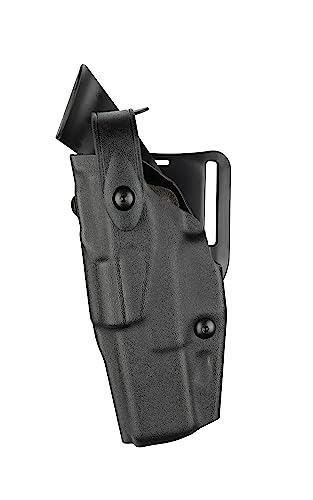
Safariland ALS SLS Level III Low Ride Duty Holster Springfield Armory 1911-A1 Operator Right Hand STX Tactical Black
$124.47Check PriceTable of Contents
Understanding Duty Holster Types
Duty holsters come in several configurations, each suited to different operational needs. The most common are OWB (outside-the-waistband), IWB (inside-the-waistband), and drop-leg or thigh rigs. Outside-the-waistband holsters are prevalent for patrol officers because they provide quick access and are easier to secure to a duty belt. Inside-the-waistband models offer lower profile concealment for plainclothes or off-duty carry but may compromise accessibility slightly in high-stress scenarios.
When selecting a holster type, consider your primary operational environment. For high-movement tasks or involving vehicle pursuits, an OWB with a retention system that won’t shift or come loose is advisable. Conversely, if concealment is a factor, a well-designed IWB holster might be necessary, but expect to make some trade-offs on draw speed.
Retention and Security Features
Retention is foundational to gear that doesn't fail. Your holster should hold your weapon firmly during physical duress—think grappling, falls, or vehicle crashes—and release smoothly when needed. Mechanical retention devices like thumb breaks, adjustable straps, or active retention locking mechanisms (mid- and level-2) increase security. Some holsters also incorporate passive retention via molded polymer or tension design, which is reliable when properly fitted.
Test your holster’s retention under realistic conditions. Engage in drills that mimic fighting for the weapon, ensuring it stays secure without impeding rapid deployment. Remember, too much retention can slow your response, while too little risks accidental exposure.
Material and Durability
Durability under stress is non-negotiable. Common materials include Kydex, Boltaron, and reinforced nylon, each offering strength and resistance to impacts, sweat, and environmental factors. Kydex holsters are favored for their rigidity and ease of cleaning, making them ideal for heavy-duty use.
Check for reinforced mounting points and robust belt attachments—these components bear the brunt of daily wear and tear. A holster that cracks or deforms under pressure risks weapon failure precisely when you need it most. Regular maintenance, such as cleaning and inspection, extends the life and reliability of your gear.
Compatibility and Fit
Your holster must match your firearm’s make, model, and caliber exactly. An ill-fitting holster can lead to retention failure or misfires. Verify compatibility with your weapon during purchase, including additional accessories like suppressors or mounted lights. Confirm that the holster’s mounting points align with your belt size and attachment preferences.
Proper fit also involves ensuring the holster sits comfortably on your waist or thigh and doesn't shift during movement. When choosing a retention system, it should complement your draw technique without overcomplicating access.
Practical Considerations for Deployment
Speed of access and secure retention are at odds—balancing these is key. Opt for holsters with a smooth, snag-free draw and a retention mechanism that releases reliably. Practice your draw repeatedly in full gear, paying close attention to the holster's responsiveness and how it behaves during movement and under stress.
Additionally, consider how your holster integrates with other gear like body armor, radio pouches, and tactical equipment. Compatibility and ease of access to your weapon during gear transitions improve overall operational efficiency.
Additional Tips for Maximizing Performance
Invest in high-quality holsters that are properly maintained. Replace worn components like retention screws or mounting clips before they fail in the field. Customize your holster setup—cant angle, ride height, and retention level—to match your body type and tactical preferences.
Remember, your holster is a vital link in your gear chain; neglecting it compromises your entire kit. Periodic reassessment based on your operational experience will ensure your gear evolves with your needs.
Frequently Asked Questions
How do I know if a holster has the right retention for me?
Test it under stress. It should hold securely during vigorous movement but release smoothly when you draw. Adjustability is key—set retention screws to achieve this balance.
Can I use an off-the-shelf holster for duty use?
While some commercial models are reliable, duty use demands holsters with proven retention, material durability, and proper fit for your weapon. Always verify compatibility and test thoroughly before deploying.
How often should I inspect or replace my duty holster?
Perform monthly inspections—look for cracks, worn retention, or loose mounting hardware. Replace or repair as necessary, typically every 1-2 years depending on usage.
Is it better to carry IWB or OWB holster during patrol?
It depends on your concealment needs and operational environment. OWB is faster for quick draw and tactical engagement, while IWB offers better discretion. Choose based on mission profile, but ensure retention features are uncompromised regardless.
What materials are best for duty holsters?
Kydex remains the industry standard for durability and retention. Reinforced polymer and high-quality nylon are also viable, especially for lightweight or concealed carry holsters. Prioritize materials that resist impact and environmental exposure.
Conclusion
Choosing the right duty holster is a non-negotiable element of your operational readiness. It must balance retention, durability, and quick deployment while fitting seamlessly into your overall gear setup. Regular testing, maintenance, and thoughtful selection ensure your holster performs flawlessly when it’s needed most.
Take the time to evaluate your current rig, test new options, and refine your setup based on real-world feedback. Your safety—and your operational effectiveness—depend on it.


