

How To Choose The Right Ankle Holsters
Ankle holsters are a critical component in an officer's or security professional's toolbox when discreet, accessible secondary carry is needed. When selecting an ankle rig, durability, retention, weight distribution, and mission-specific features can make or break your performance under stress. A poorly chosen ankle holster can lead to gear failure at a vital moment—something you can't afford.
Our Top Picks
Affiliate disclosure: if you buy through these links, we may earn a commission at no extra cost to you.

This guide distills real-world considerations from years of field experience to help you identify the right ankle holster that stays secure, comfortable, and ready when duty calls. Let’s get into what truly matters.
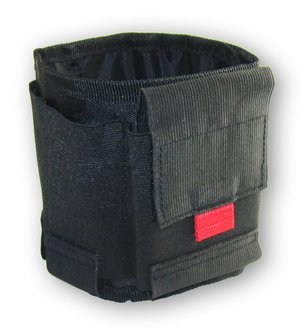
HOUSTON Gun Holsters Ankle Concealed Revolver Holster - Fits Most .38 Special J Frame Revolvers with 2.5" Barrel or Less – Concealed Carry Ankle Gun Holster for Men and Women, Right Hand, Black (68B)
$26.9Check Price
Table of Contents
Understanding Ankle Holster Types
Not all ankle holsters are created equal. The two primary designs are the standard high-riding models and the wrap-around or sleeve styles. High-riding holsters position the weapon close to the calf, often securing with straps or retention straps. Sleeve-style holsters, sometimes made of elastic or neoprene, envelop the entire weapon, providing added stability and concealment.
Your choice depends on the role. For plainclothes assignments, deep concealment and minimal printing matter. Tactical entries or undercover ops demand quick, reliable access, often favoring models with retention features. Understand the different types to match your operational environment.
Material and Durability Considerations
An ankle holster endures daily wear, sweat, and environmental exposure. Materials like reinforced nylon, ballistic nylon, and neoprene are common, each offering different benefits. Reinforced nylon provides strength and resistance to tearing, while neoprene offers flexibility and comfort.
Check for double-stitched seams and reinforced stress points, especially around retention straps and attachment points. A holster that degrades or tears under stress jeopardizes your safety. Remember, durability isn't just about longevity; it's about ensuring your gear performs reliably regardless of conditions.
Retention and Security Features
Retention is the backbone of ankle gear. A good holster must securely hold the weapon during rigorous movement, running, or defensive exchanges. Look for models with adjustable straps, thumb breaks, or locking mechanisms to prevent accidental loss.
Less sophisticated designs risk the weapon dislodging during complex maneuvers, which can be disastrous in high-pressure scenarios. Test the retention system before purchasing—your gun should stay put until intentionally drawn.
Comfort and Weight Distribution
Since ankle holsters are worn on a limb that endures significant stress and movement, comfort is non-negotiable. Excess weight or uneven weight distribution can cause fatigue and negatively impact mobility.
Choose a holster with padded straps, breathable materials, and ergonomic contours. Proper fit ensures that the weapon stays stable without digging into skin or restricting circulation. Also, consider the placement—on the inside or outside of the ankle—based on comfort and accessibility.
Mission-Specific Features
Different missions demand different approaches. For covert surveillance, a holster with deep concealment and minimal printing is vital. For tactical entries or active patrol, quick access and secure retention take precedence.
Some models include adjustable cant, easy-to-access thumb releases, or modular attachments for additional pouches. Examine your operational needs carefully before settling on a holster. Remember, the right features streamline your draw and reduce failure points.
Proper Fit and Adjustability
A holster that doesn't fit properly can hinder your draw and cause discomfort. Measure your calf and ankle circumference accurately. Adjustable straps with secure Velcro or buckle systems help tailor the fit precisely.
Wear the holster with your duty sock and uniform to check for pinching, slipping, or excessive movement. An adjustable holster ensures that you can fine-tune the placement for rapid access under stress, and maintain retention over time.
Frequently Asked Questions
Will ankle holsters print under clothing?
With a quality, low-profile design and proper fit, ankle holsters can remain discreet under most clothing. Choose models with minimal bulk and thin materials for covert operations.
Can I wear an ankle holster with tactical boots?
Yes. Look for holsters with adjustable straps and stiff shells that accommodate thicker soles and high ankle support. Proper fit ensures stability during movement.
Is ankle carry suitable for handguns of all sizes?
Smaller, compact pistols are ideal for ankle carry. Larger frames may be cumbersome or uncomfortable, and could compromise retention and access speed.
How does the weight of the weapon affect ankle carry?
Heavier weapons can cause fatigue or shift during movement. Balance weight distribution with supportive straps, padded materials, and proper sizing to minimize discomfort.
Can I use the same ankle holster for both left and right legs?
Many models are ambidextrous or reversible. Verify before purchase to ensure quick and consistent access, especially under stress.
What maintenance is required for ankle holsters?
Regularly inspect for wear, tears, and retention functionality. Clean with mild soap and water, avoiding harsh chemicals that can degrade materials.
Conclusion
Choosing the right ankle holster involves balancing retention, durability, comfort, and mission-specific features. A holster that fits well and stays secure under stress ensures quick access when seconds matter. Take the time to evaluate your operational needs and choose a model built to withstand the rigors of duty. When properly selected, your ankle holster becomes a reliable backup that never fails — exactly what you need on the most demanding days.
Next step: Match your holster with your overall gear setup, conduct field testing during training, and fine-tune the fit to ensure reliable, comfortable performance every shift.


