

How to Choose the Right Body Armor
In the line of duty, your body armor is your first line of defense. It has to perform flawlessly under stress, provide reliable protection, and fit comfortably enough to maintain agility. Choosing the right armor isn't just about hard specs; it’s about understanding your operational needs, threat levels, and the gear’s real-world performance.
Our Top Picks
Affiliate disclosure: if you buy through these links, we may earn a commission at no extra cost to you.

Making an informed decision saves lives — yours included. Let’s break down the key considerations for selecting the body armor tailored to your mission profile.
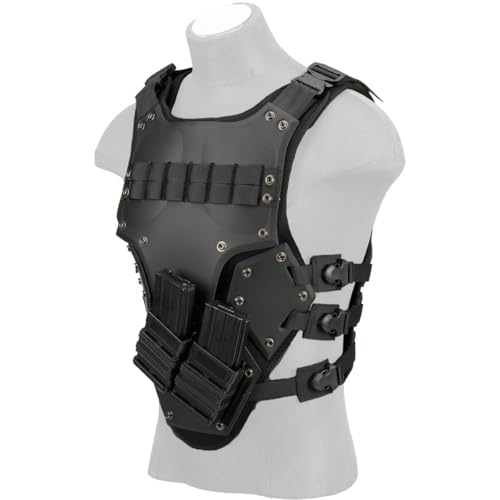
GoldenBall Lightweight Tactical TF3 High Speed Mag Strap Airsoft Paintball Body Armor (Mag Not Included) (Black)
$75.0Check Price
Table of Contents
Threat Level and Threat Assessment
The foundation of selecting the right body armor begins with understanding the threats you face daily. Law enforcement scenarios range from low-threat patrol duties to high-risk tactical entries. Body armor is rated according to levels defined by standards like NIJ (National Institute of Justice). For patrol officers, Level II or IIIA may suffice, providing protection against handguns and some shotgun rounds. SWAT teams and tactical units often require Level III or IV plates capable of stopping rifle rounds and armor-piercing rounds.
Matching your threat level ensures you're not burdened with excessive weight that hampers performance or under-protected in a high-threat environment. Always conduct a threat assessment based on your specific area, expected adversaries, and operational scenarios.
Fit, Comfort, and Mobility
The best armor in the world is useless if it doesn't fit properly. Ill-fitting gear can cause discomfort, reduce mobility, and even compromise protection during sudden movement or stress. Proper fit involves measuring accurately and trying on different cuts — ballistic vests come in various shapes such as covert, tactical, or duty-specific cuts.
A well-fitted vest should sit snug without restricting breathing or movement. Pay attention to shoulder straps, cummerbund adjustments, and plate positioning. Remember, your body armor will be worn for hours — comfort directly translates to focus and endurance on your shift.
Weight, Durability, and Wearability
Weight is a critical factor, especially during extended patrols or tactical operations. Modern ceramic and composite plates have significantly reduced weight, but heavier ballistic materials still exist at higher threat levels. Balance the weight with durability needs. Heavy plates may protect better but can lead to fatigue or discomfort if not chosen carefully.
Durability encompasses resistance to environmental factors like moisture, temperature swings, and rough handling. A good armor system should withstand daily wear, brief impacts, and environmental stressors without degradation. Look for features like reinforced stitching on carriers, corrosion-resistant hardware, and removable ballistic panels for easy maintenance.
Certification Standards
Always verify that your armor complies with recognized standards, primarily NIJ certification. NIJ ratings classify ballistic resistance levels, ensuring the gear has been independently tested under controlled conditions. Be cautious of counterfeit or unverified gear — it can fail when you need it most.
Note that certification isn't just a box-checking exercise; it guarantees that the armor’s ballistic performance, trauma reduction, and overall integrity meet strict benchmarks. Keep documentation handy and ensure all components are certified, including plates, carriers, and accessories.
Customization and Modular Options
Different missions require different configurations. Modular carriers that accept attachable pouches, radio holders, and side-plate inserts provide tactical versatility. Custom fit mounting points improve access and retention, critical during high-stakes engagements.
Consider options for side plates, trauma pads, and MOLLE-compatible platforms to enhance adaptability. During operations, being able to quickly adjust or reconfigure your armor can be the difference between mission success and failure.
Maintenance and Lifecycle
Body armor isn't forever. Polyethylene, ceramic, or steel plates have defined lifespans typically between 5-10 years depending on use, storage conditions, and impact history. Regular inspections should check for cracks, delamination, or deformation.
Proper cleaning with mild soap and water, careful storage in a cool, dry environment, and avoiding impacts against hard surfaces extend your gear's service life. Replace any components that show damage, and always adhere to manufacturer guidelines for longevity.
Frequently Asked Questions
How do I know if my body armor is certified?
Check for NIJ certification labels, test reports, and verify with the NIJ database or manufacturer documentation. Authentic gear will always have traceable certification.
Can I wear a vest that’s a size too small?
No. Ill-fitting gear compromises protection and comfort. Always choose the size that fits your measurements, and have it professionally fitted if possible.
How often should I replace my body armor?
Most armor is rated for 5-10 years depending on use and care. Replace after any significant impact, visible damage, or at the manufacturer's recommended interval.
What’s the difference between soft and hard body armor?
Soft armor is flexible and designed primarily for handgun threats. Hard armor includes plates capable of stopping rifle rounds. Many officers combine both for comprehensive protection.
Is it better to have solo or layered protection?
Layered protection provides redundancy and can extend overall safety, but it also adds weight. Assess your threat level and operational needs to determine optimal layering.
What materials are best for durability?
Ceramic, polyethylene, and composite materials offer excellent strength-to-weight ratios. Always select gear from reputable manufacturers with proven durability.
Conclusion
Choosing the right body armor hinges on accurate threat assessment, proper fit, durability, and compliance. It’s an ongoing balance between protection, mobility, and comfort — critical for operational effectiveness. Don’t cut corners when it comes to gear; invest in quality, maintain it diligently, and stay informed about evolving standards. Your safety depends on it.
Next step: Review your current armor set, verify certification, and consult with trusted gear specialists to identify if upgrades or replacements are necessary for your mission profile.


