

How To Choose The Right Operator Backpacks
In the field, your operator backpack isn’t just a bag — it’s an extension of your gear system, a portable platform that must keep pace with the rigors of duty. From critical mission gear to hydration, every component needs to stay secure under stress, distribute weight efficiently, and be ready when seconds count. Choosing the right pack is non-negotiable for operational success and personal resilience.
Our Top Picks
Affiliate disclosure: if you buy through these links, we may earn a commission at no extra cost to you.

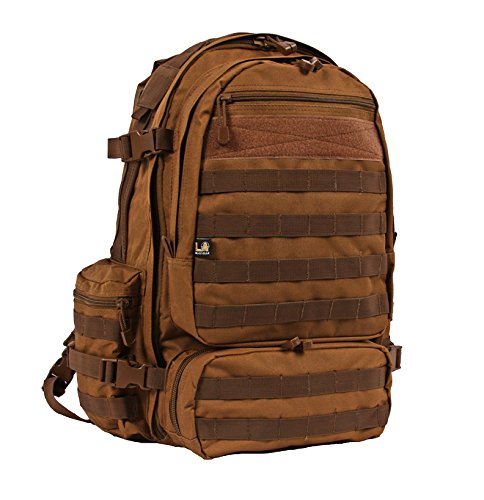
Here’s the reality: a flawed backpack can hinder response times, impede mobility, or fail entirely in critical moments. As a veteran who’s relied on tough, mission-specific packs across countless operations, I’ll guide you through the key considerations to select a backpack that’s built for performance, durability, and peace of mind.
LA Police Gear LAPG Operator Tactical Backpack, Adjustable Outdoor Operation Backpack with MOLLE System, Hiking Knapsack - Black
$74.99Check Price
Table of Contents
Assessment of Mission Needs
The first step in selecting the right operator backpack is understanding your operational requirements. Are you conducting search-and-rescue missions, covert surveillance, or rapid response deployments? Each scenario demands different loadout configurations and durability levels. For example, a SWAT team member needs quick access to breaching gear while maintaining mobility, whereas a BOLO officer might prioritize stealth and storage for surveillance equipment.
Matching your mission profile with the backpack's core design ensures you’re not over- or under-compensated in gear capacity or features. List out your mission gear, mandatory payloads, and anticipated environmental conditions. Remember: a pack designed for high-altitude mountaineering isn’t suitable for urban tactical operations, and vice versa.
Capacity and Organizational Features
Capacity isn’t just about volume; it’s about intelligent compartmentalization. Look for packs with multiple, clearly defined internal and external compartments to keep gear organized. Dedicated spaces for radios, hydration bladders, medical kits, and weapon accessories streamline quick access under stress, reducing fumbling that can jeopardize operations.
In addition, consider whether the bag’s opening mechanisms (clamshell, zippered, or roll-top) facilitate rapid gear retrieval, especially under tactical conditions. Be wary of overloading; a pack that’s too bulky hampers mobility and increases fatigue, impairing performance on the street or in the field.
Durability and Material Construction
The backbone of any operational pack is its build quality. Heavy-duty nylon (like 1000D Cordura) with reinforced stitching withstands abrasions, sharp edges, and rough handling. Water resistance is also critical—look for packs with water-repellent coatings or integrated rain covers. Your backpack must endure dynamic weather, brush, and day-to-day wear and tear without compromising integrity.
Test the zippers, buckle systems, and strap reinforcements. Military-grade hardware indicates reliability; cheap plastic components are likely to fail in high-stress situations. The ethical rule: buy once, cry once. Durability matters because failure isn’t an option.
Comfort, Fit, and Weight Distribution
A heavy pack worn incorrectly can cause fatigue, back injuries, and compromised mobility. Look for ergonomic features: padded shoulder straps, adjustable sternum straps, and a waist belt that distributes weight evenly across your hips. This setup minimizes strain during long patrols or extended operations.
Tips for fit: ensure the pack’s torso length matches your body; an ill-fitting pack shifts weight and causes discomfort. Consider taking it on a test carry with a simulated load—if it doesn’t feel right after fifteen minutes, keep shopping.
Additional Features & Accessories
Modern operator packs include features like hydration sleeve integration, external MOLLE webs, drainage grommets, and quick-release systems. For covert or mobile ops, low-visibility colors and subdued finishes prevent detection. For rescue or tactical roles, reflective patches or patch panels might be necessary.
Assess whether the pack can be customized with accessories: radio pouches, ID patches, or dedicated pistol holsters. These features can be game-changers for seamless gear access and quick adaptation mid-mission.
Evaluating The Brand and Warranty
Reputation and support matter. Choose brands with proven track records in tactical gear durability and customer support. Read reviews from other operators and check warranty policies—your pack should be repairable, not disposable. Brands that back their products demonstrate confidence in their design and materials.
Finally, consider whether the manufacturer offers custom options or upgrades. In mission-critical environments, investing in quality gear with long-term support provides confidence when every second counts.
Frequently Asked Questions
What size operator backpack should I choose?
Pick a size that comfortably fits your gear without excessive bulk. For daily operations, a 20-30L pack is typical; for extended missions or specialized gear, consider 40L or larger.
Can I use a civilian backpack for tactical purposes?
Vendors specifically designed for tactical use incorporate durability, organization, and retention features that civilian packs lack. It’s best to choose purpose-built gear to ensure reliability under stress.
How important is water resistance in an operator backpack?
Extremely important. Wet gear hampers electronics, degrades medical supplies, and adds weight. Look for packs with water-resistant materials and rain covers.
Are modular packs better than fixed-organization systems?
Modular packs provide flexibility to tailor gear layouts per mission, but fixed systems often offer quicker deployment. Choose based on operational complexity and your need for customization.
How do I maintain my operator backpack?
Regularly clean the fabric, inspect zippers and hardware, and replace worn straps or buckles. Proper maintenance extends the life of your gear and ensures operational readiness.
Should I choose a pack with a hydration bladder?
If your operations involve extended periods away from refilling points, hydration integration is a must. Confirm compatibility with your preferred bladder system for leak-proof performance.
Choosing the right operator backpack is about matching durability, organization, comfort, and mission profile. Think critically, prioritize quality, and don’t cut corners — your gear’s performance under stress depends on it. Next step: assess your team's specific needs, then select a pack designed for the rigors you face daily.


