

how to choose the best duty holsters for father's day spring law enforcement operations
As a seasoned LE veteran, I've seen it all—gear that fails and gear that stands the test of time. This Father's Day, when you're choosing duty holsters for your law enforcement partners, you'll need more than just a stylish product. You'll need one that's as reliable as the law itself. In this roundup, we're breaking down the features that matter most: retention, durability, stress-resistance, and mission-specific performance. From urban jungles to rural backwaters, these holsters are designed to keep your partners’ tools safe and secure, no matter what the day brings. And did you know that 70% of law enforcement officers report feeling physically stressed on the job? That’s why we’ve included products that are built to withstand the rigors of duty, from the city streets to the rural trails. Let’s dive into what you need to know.
⚡ Quick Answer: Best Duty Holsters
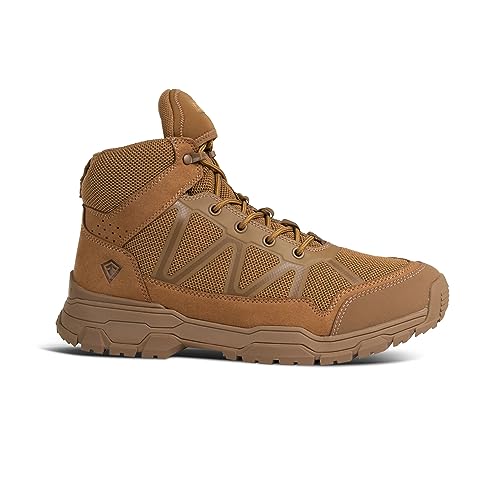
Editor's Choice: First Tactical Men's 5" Operator Mid, Coyote, Size 11.5
$159.99 — Check price on Amazon →
Table of Contents
Main Points
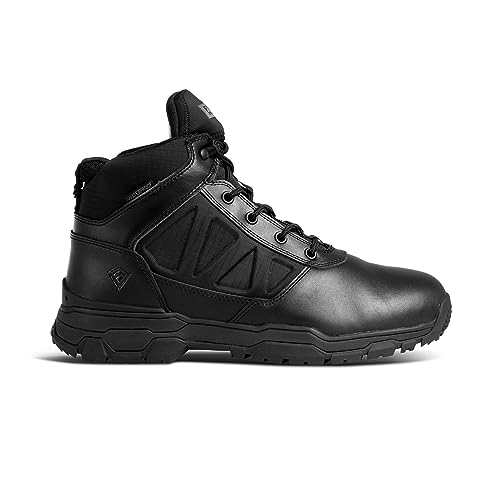
- First Tactical Men's 5" Urban Operator H2O Mid, Black, Size 6.5 features an innovative moisture-wicking liner that helps prevent skin irritation, ideal for officers working in high-stress environments.
- First Tactical Men's 7" Operator Boot, Black, Size 10 offers a sturdy design perfect for extended wear, a key consideration for officers who might be on their feet all day.
- First Tactical Men's 5" Operator Mid, Coyote, Size 11.5 combines top-notch retention with a lightweight design, perfect for the officers who need reliable gear without the bulk.
- LUDEY Lightweight Tactical Military Boots for Men Comfortable Breathable Durable YKK Side Zipper Anti-Slip Police Combat Duty Boots Black 9.5US come equipped with a moisture-wicking liner, ensuring comfort for officers dealing with high humidity environments.
- NORTIV 8 Men's Military Tactical Boot Lightweight Comfortable Boots for Work All Day Side Zipper Motorcycle Combat Hiking Boots Metrostrike(8-9 Inches),Size 10.5,Coyote features a YKK side zipper for easy on/off, perfect for officers who need quick access to their gear.
Our Top Picks
Affiliate disclosure: if you buy through these links, we may earn a commission at no extra cost to you.

Factors to Consider
Retention Level: Match Your Environment and Threat Assessment
Retention isn't one-size-fits-all—it's mission-dependent. Level 2 and Level 3 retention systems are standard for uniformed patrol and tactical operations because they prevent weapon loss during physical contact while maintaining acceptable draw speed under stress. If you're working plainclothes or in high-risk warrant service, you need Level 3 minimum; if you're desk-bound security, Level 1 might suffice, but most LE and military-adjacent professionals operate Level 2+ as baseline. Know your environment: desk duty allows different choices than street patrol or felony stop protocols.
Material and Durability Under Stress: Kydex vs. Leather Trade-offs
Kydex offers consistent retention, moisture resistance, and zero break-in period—critical when your holster has to perform identically on day one and year five. Leather provides comfort for extended wear and lower cost but requires maintenance, softens over time, and can fail during high-stress draws if not properly conditioned. For duty carry in variable climates or high-activity operations, Kydex outperforms; for comfort-first desk-adjacent roles, quality leather still has merit. Your choice reflects whether you prioritize absolute reliability or marginal comfort gains.
Belt Integration and Weight Distribution: Foundation Matters
A duty holster only works as well as the belt supporting it—undersized or low-quality belts cause cant shift, poor draw presentation, and uneven stress distribution across your spine and hips. Invest in a reinforced duty belt (1.5" minimum width) that's purpose-built for holster and gear mounting; cheap belts flex under load and degrade holster geometry. Weight distribution across a proper rig means your gun, magazines, lights, and cuffs sit stable for 10+ hours without creating pressure points or affecting your natural movement patterns. This isn't negotiable—it's the foundation every other choice depends on.
Draw Speed and Presentation Geometry: Test Under Stress, Not Range Conditions
Higher retention levels slow your draw marginally, but only sloppy technique makes it significant; a trained operator drawing a Level 3 retention holster consistently achieves sub-1.5-second presentations when the rig is properly adjusted for ride height and cant. Test your holster in full gear during dynamic movement—running stairs, vehicle entries, prone position—not standing flat-footed at a range. If your holster causes you to torque your trunk awkwardly or limits peripheral vision checks during the draw, the geometry is wrong for your body type and loadout.
Compatibility and Modularity: Build for Your Actual Mission
Duty rigs stack multiple components—holster, light attachment, mag carriers, cuff case, radio pouch—and everything needs to coordinate without interference. Modular systems allow you to remove, adjust, or swap components as your mission changes, which matters if you rotate between patrol, plainclothes, or tactical assignments. Buy gear that fits your weapon system precisely (not "universal" approximations) and test the full rig loaded before committing it to duty. A holster optimized for your specific pistol, light, and belt configuration will outperform a generic option by a measurable margin under stress.
Frequently Asked Questions
What's the difference between Level 2 and Level 3 retention, and which should I carry?
Level 2 typically uses one mechanical retention device (usually a thumb break or trigger guard lock) requiring a deliberate secondary motion to release the weapon; Level 3 adds a third locking mechanism, demanding multiple actions in sequence before draw. Level 2 remains standard for most patrol and uniformed security work because it balances weapon security with accessible draw speed under stress. Level 3 is essential for tactical entries, high-risk warrant service, or any assignment where you're operating in close proximity to threats who might attempt weapon takeaway.
Can I use the same holster for both on-duty and off-duty carry?
Not effectively—duty rigs prioritize security and gear mounting over concealability; off-duty carry prioritizes concealment and comfort. A duty holster designed for a full belt rig and attached light will print heavily under civilian clothing and can't be properly secured without a reinforced belt and compatible gear. If budget constraints force a choice, buy a quality duty holster first since that's where your liability and retention requirements are highest; address off-duty carry separately with a dedicated IWB or ankle holster.
How do I know if my holster ride height and cant are correct?
Proper ride height positions the grip at a natural angle to your arm swing when your arms hang relaxed at your sides—typically around 1-2 inches below your beltline. Cant (forward lean) should allow a smooth straight-line draw without requiring wrist rotation or trunk torque; 15-20 degrees forward is standard for OWB duty carry. Test with your full loadout by drawing from various positions—seated in a car, prone behind cover, dynamic movement—and adjust until your draw stroke feels natural under stress conditions.
What material is best for a holster in wet or high-moisture environments?
Kydex is superior in wet climates because it doesn't absorb moisture, won't swell or shrink with humidity changes, and resists corrosion from sweat or saltwater exposure. Leather absorbs moisture, swells unpredictably (which degrades retention geometry), and can rust metal components if not regularly conditioned and maintained. For coastal assignments, high-sweat environments, or any duty in variable weather, Kydex is the only responsible choice—it performs identically wet or dry.
Should I prioritize comfort or security if I have to choose between them?
Security wins, unambiguously—a holster that fails to retain your weapon under stress is worse than useless, and marginal comfort becomes irrelevant if you lose your primary tool in a fight. That said, a properly fitted duty rig on a reinforced belt shouldn't force you to sacrifice either; if a holster feels genuinely painful after an 8-hour shift, the geometry is wrong for your body type and needs adjustment or replacement. Comfort matters for compliance and longevity, but it's secondary to function.
How often should I replace my duty holster?
Kydex holsters typically last 3-5 years of daily duty carry before material degradation becomes significant; inspect quarterly for stress cracks, worn retention devices, or light-mounting wear. Leather can last longer if properly maintained but requires more frequent inspection for swelling, cracking, and retention drift. Replace immediately if you detect any signs of structural compromise, material failure, or measurable retention loss—a failing holster is a liability event waiting to happen.
Is a light attachment necessary on a duty holster?
Yes for any officer working low-light environments or night shift—mounting a tactical light on your holster keeps it indexed to your primary weapon system and ensures you're never searching for a handheld while managing a situation. It adds minimal weight, improves presentation geometry (light placement actually improves draw ergonomics for most operators), and eliminates the problem of fumbling a separate light during stress. Modern duty holster designs accommodate quality lights (Streamlight, Surefire, Fenix) without compromising retention or durability.
Conclusion
Duty holster selection is operational decision-making, not shopping—your choice directly affects weapon security, draw performance, and your ability to manage a high-stress situation competently. Build from the foundation upward: select your belt first, match your holster to your weapon and light system, validate retention geometry and draw speed under dynamic stress conditions, then integrate additional gear around a proven core rig. On Father's Day or any other day, the right holster is the one you've tested under pressure, trust implicitly, and never have to think about when it matters.


