

Body Armor Vs Tactical Boots Which Should You
When you're out in the field, your gear is either an asset or a liability. There is no middle ground. If you are looking at your budget for 2026 and trying to decide whether to invest in a new set of body armor or a pair of high-end tactical boots, you are essentially weighing two different types of mission-critical protection. One is designed to mitigate the threat of ballistic impact, while the other is designed to ensure you can actually reach the objective without your feet failing you.
This comparison addresses a fundamental difference in gear scope: body armor is a complete personal protection system, whereas tactical boots are specialized footwear. Because they serve different functions, you cannot compare them as direct substitutes. However, for the professional—whether you are LEO, security, or military—the decision often comes down to immediate operational necessity versus long-term mobility. This guide breaks down the trade-offs between life-saving ballistic protection and the essential durability and weight requirements of duty footwear to help you prioritize your kit.
Affiliate disclosure: if you buy through these links, we may earn a commission at no extra cost to you.
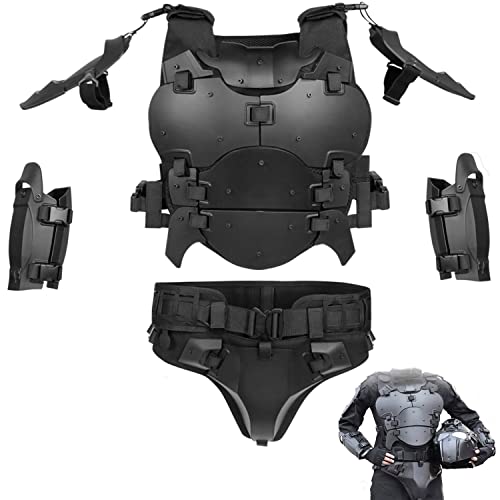

Table of Contents
- Models in this comparison
- Quick Verdict
- About Body Armor
- About Tactical Boots
- Head-to-Head: Mission Profile and Operational Scope
- Head-to-Head: Durability vs. Mobility
- Head-to-Head: Weight Distribution and Fatigue Management
- Who Should Choose Body Armor?
- Who Should Choose Tactical Boots?
- Our Verdict
- Frequently Asked Questions
- Sources & References
Models in this comparison
Affiliate disclosure: if you buy through these links, we may earn a commission at no extra cost to you.

Quick Verdict
Note: This comparison compares a complete personal protection system (Body Armor) against a footwear component (Tactical Boots). These are not equivalent scopes, but represent two different priorities in mission-essential gear.
Choose Body Armor if...
- Your primary mission requirement is ballistic protection and life-saving coverage.
- You are building a kit for high-threat environments where stopping power is the priority.
- You need to address immediate vulnerabilities to projectiles.
Choose Tactical Boots if...
- Your priority is mobility, endurance, and preventing foot/ankle fatigue during long patrols.
- You need reliable footwear for daily duty shifts or "get-home" scenarios where vehicles may fail.
- You are looking for an immediate, essential upgrade to your operational mobility.
| Factor | Body Armor | Tactical Boots |
|---|---|---|
| Scope of Comparison | Complete personal protection system (plates/carriers/vests). | Individual footwear component for mobility and foot protection. |
| Primary Mission Focus | Ballistic protection and life-saving coverage. | Mobility, ankle support, and foot health during movement. |
| Operational Trade-off | Weight vs. Level of protection/coverage. | Durability (Stitchdown) vs. Lightweight athletic performance. |
| Critical Failure Point | Failure to stop projectiles or improper fit causing mobility issues. | Blisters, fatigue, or structural failure during long marches. |
| Maintenance Needs | Inspection for integrity and plate/carrier fitment. | Break-in period (2-4 weeks) and periodic rebuilding/replacement. |
| Key Advantage | Immediate survival capability against ballistic threats. | Essential for "get-home" scenarios and preventing foot fatigue. |
About Body Armor
When we talk about body armor, we are discussing a complete life-saving system. Unlike footwear, which is a single component of your kit, armor is a complex interaction of material science, weight distribution, and mission-specific requirements. You aren't just buying a vest; you are investing in a platform designed to mitigate ballistic threats. Because armor is a complete system, comparing it directly to a single component like boots is an apples-to-oranges comparison. One is a defensive barrier; the other is a mobility tool. However, both must meet the same standard: they cannot fail when the mission goes kinetic.
In the current landscape, armor selection ranges from lightweight soft armor for EDC to heavy ceramic plates for high-threat environments. The primary trade-off is always between protection levels and the physical toll of the weight. A heavy plate carrier might offer superior ballistic protection, but if the weight distribution is poor, it will compromise your ability to move, climb, or react to threats. For the professional, the goal is to find the minimum weight necessary to achieve the required protection level, ensuring you remain agile enough to complete the mission.
About Tactical Boots
Tactical boots are the foundation of your mobility. If your boots fail, your mission fails. Whether you are pulling a duty shift or navigating a bug-out scenario, your footwear determines how far you can go before fatigue or injury forces you to stop. In a get-home scenario where vehicles are no longer an option, a broken-in tactical boot is essential to prevent the blisters and stress fractures that end operations prematurely. When choosing boots, you are deciding between two distinct philosophies: traditional durability and modern athletic performance.
Traditional boots, such as the Danner Acadia 8", often feature stitchdown construction, which allows them to be recraftable and rebuilt, offering legendary durability that can last years. These are heavier—the Danner Acadia weighs 72 oz per pair—and require a significant break-in period. On the other hand, modern athletic-style boots like the Salomon XA Forces Mid GTX (32 oz per pair) or the Under Armour Micro G Valsetz (roughly 12 oz per boot) prioritize weight reduction and immediate comfort. While these lightweight options offer a running-shoe-like feel and zero break-in period, they often have a shorter lifespan and less ankle support than their heavy-duty counterparts. Your choice depends on whether your mission demands a boot that can be rebuilt over a decade or a boot that allows for maximum speed and agility right out of the box.
Head-to-Head: Mission Profile and Operational Scope
When comparing body armor to tactical boots, we are looking at two entirely different categories of gear. Body armor is a complete personal protection system designed to mitigate life-threatening ballistic threats. Tactical boots are footwear designed for mobility, ankle support, and foot health. You cannot trade one for the other; they serve different roles in your kit. The decision to buy one over the other isn't about which is "better," but about identifying your most immediate gear deficiency for your specific mission profile.
If you are facing a threat where ballistic protection is the primary concern, armor is the priority. However, if your mission involves long patrols, rucking, or urban movement where foot fatigue or injury could compromise your ability to function, boots become the critical failure point. In a professional setting, you don't choose between them—you integrate both. But if your budget only allows for one immediate upgrade, you must weigh the immediate lethality of a ballistic threat against the operational mobility provided by reliable footwear.
Head-to-Head: Durability vs. Mobility
The trade-off in tactical gear often comes down to the tension between heavy-duty protection and lightweight performance. Traditional body armor, particularly heavy ceramic plates, provides maximum protection but adds significant weight and can impact your agility. Conversely, modern tactical boots offer a spectrum of choices. For example, the Danner Acadia s features a stitchdown construction that allows the boot to be recraftable and rebuilt, offering legendary durability, but it weighs 72 oz per pair and requires a long break-in period. This is the "heavy-duty" end of the spectrum, much like heavy-duty soft or hard armor.
On the other end of the spectrum, you have lightweight, athletic-style footwear like the Salomon XA Forces Mid GTX, which weighs only 32 oz per pair and uses a Contagrip sole for traction. This is comparable to lightweight, high-mobility armor setups. While the Salomon offers superior agility and zero break-in time, it lacks the rugged, rebuildable longevity of a stitchdown boot. When deciding between these two worlds, you are deciding whether you need a "forever" piece of gear that requires breaking in, or a high-performance tool that provides immediate mobility but may have a shorter lifespan.
Head-to-Head: Weight Distribution and Fatigue Management
Weight management is the silent killer of operational effectiveness. In body armor, weight distribution across the torso is critical to prevent back strain and fatigue during extended shifts. In footwear, the weight of the boot directly impacts how many miles you can cover before your legs give out. For instance, the Under Armour Micro G Valsetz RTS 1.5 is exceptionally light at roughly 12 oz per boot, offering a running-shoe-like feel that minimizes fatigue during high-activity tasks. This is the footwear equivalent of prioritizing speed and stealth.
In contrast, heavier boots like the Danner Acadia provide much more ankle support and protection, which is vital when carrying heavy loads or navigating uneven terrain. If you are wearing heavy body armor, your footwear choice becomes even more critical; a heavy, cumbersome boot combined with heavy armor can lead to rapid exhaustion. For those in "get-home" or bug-out scenarios, a broken-in tactical boot is essential to prevent fatigue during long walks when vehicles are unavailable. Choosing between armor and boots often means deciding whether you are preparing for a static defensive posture or a highly mobile, offensive mission.
Who Should Choose Body Armor?
It is important to establish the scope of this comparison: we are comparing two entirely different categories of life-saving equipment. Body armor is a complete personal protection system designed to mitigate ballistic threats, whereas tactical boots are footwear designed for mobility, stability, and foot health. Because they serve different mission requirements, you don't choose one over the other; you choose based on your immediate operational priority.
You should prioritize investment in body armor if your primary concern is ballistic protection and life-saving coverage against projectiles. This is the essential gear for high-threat environments where the risk of ballistic engagement is the primary mission variable. If you are building a kit from scratch and your current loadout lacks basic ballistic protection, that is your first line of defense and your first priority.
Who Should Choose Tactical Boots?
You should prioritize the purchase of tactical boots if your immediate mission involves high-mobility operations, long-duration patrols, or if your current footwear is failing to provide necessary ankle support and traction. Foot and ankle issues are among the most common reasons personnel are forced to cut a march short, making footwear a critical component of operational readiness.
Choose boots based on your specific operational environment:
- For heavy rucking and durability: Look toward traditional construction, such as the Danner Acadia 8", which features a stitchdown construction that allows the boot to be recraftable and rebuilt.
- For athletic-style movement: If your mission requires running-shoe-like feel and zero break-in period, lightweight options like the Under Armour Micro G Valsetz (weighing roughly 12 oz per boot) are designed for those who need to move fast.
- For versatile duty use: If you need a balance of value and comfort for daily shifts, mid-weight options like the 5.11 Tactical A.T.A.C. 2.0 8" offer a more affordable, lightweight alternative.
- For bug-out or get-home scenarios: A broken-in tactical boot is essential. When vehicles fail and you have to cover urban miles on foot, the right footwear prevents the fatigue that can end a mission.
Our Verdict
Comparing body armor to tactical boots is an apples-to-oranges comparison in terms of scope. One is a complete life-saving system designed for ballistic protection, while the other is a component of footwear designed for mobility and foot health. You cannot trade a pair of boots for a plate carrier and expect to be mission-ready. However, if you are deciding where to allocate your limited budget for your next gear refresh, the decision depends entirely on your current kit gaps and your immediate operational environment.
If you are currently operating without any ballistic protection, buy the body armor first. In a high-threat environment, the ability to stop a projectile is the baseline for survival. You can walk a mile in worn-out boots, but you cannot walk out of a ballistic event without protection. If your current armor is expired, compromised, or non-existent, that is your priority.
If you already have reliable, mission-capable body armor, buy the tactical boots. Footwear is the foundation of your mobility. As noted by EmergencyGearLab, in a bug-out or get-home scenario, a broken-in tactical boot is essential to prevent fatigue when vehicles fail. If your current boots are causing blisters, lack ankle support, or are failing during long shifts, they are a direct threat to your ability to execute your mission. A heavy, poorly fitted boot can end a mission just as effectively as a gear failure elsewhere.
The Bottom Line: Prioritize armor for survival; prioritize boots for mobility. If you have both, invest in the highest quality version of the one that is currently failing you in the field.
Frequently Asked Questions
Should I prioritize heavy duty boots or lightweight athletic boots?
It depends on your mission profile. Traditional boots with stitchdown construction, like the Danner Acadia 8", offer legendary durability and can be recrafted, making them ideal for long-term service. However, they are heavier (72 oz per pair) and require a significant break-in period. Modern athletic-style boots, such as the Salomon XA Forces Mid GTX (32 oz per pair), offer much less weight and zero break-in time, making them better for active operations and reducing fatigue during movement. Choose based on whether you need a boot that lasts a decade or a boot that keeps you fast.
How do I ensure my boots are AR 670-1 compliant?
For those wearing coyote brown leather, compliance typically requires an 8-inch height and a rough-side-out finish (a matte tan finish rather than smooth or shiny). You should also ensure the boots have a plain toe with no exposed eyelets or metal hardware. Always verify against the most current DA Pam 670-1 standards before purchasing for official duty.
What is the benefit of a half-size up when ordering boots?
It is a standard recommendation to order a half size up to account for foot swelling during long shifts or patrols. Additionally, you should aim to break in your boots 2 to 4 weeks before they are needed for duty to prevent blisters and ensure they are molded to your feet before a high-stress mission.
Is body armor or tactical boots a more critical first purchase?
This is not an equivalent comparison because they serve different functions: body armor is a life-saving personal protection system, while tactical boots are essential footwear for mobility and foot health. If you are building a kit from scratch, your needs will dictate the order. However, because boots are a primary factor in preventing fatigue and injury during movement, they are a fundamental requirement for any operator's daily kit.


