

Body Armor Vs Gloves Which Should You Buy
When you're out on a call or in a high-stakes environment, your gear is either an asset or a liability. You aren't looking for gadgets; you're looking for reliability. This comparison addresses a fundamental question for professionals and prepared civilians: if you have a limited budget or limited space in your kit, where do you prioritize your investment—the ballistic protection of body armor or the tactical utility of high-performance gloves?
Models in this comparison
Affiliate disclosure: if you buy through these links, we may earn a commission at no extra cost to you.
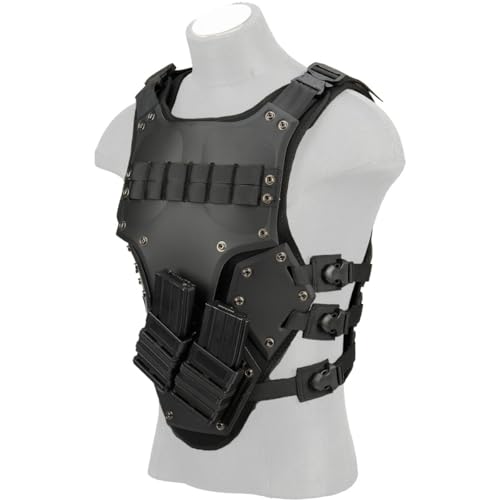


To be clear, these are not equivalent scopes of protection. Body armor is a life-saving system designed to defeat ballistic threats, while tactical gloves are specialized tools designed for cut-resistance, impact protection, and dexterity. One is about stopping a projectile; the other is about maintaining fine motor skills and hand integrity during a mission. This guide breaks down the technical realities of both so you can make an informed decision based on your specific threat assessment and operational requirements.
Table of Contents
- Quick Verdict
- About Body Armor
- About Gloves
- Head-to-Head: Primary Mission Objective
- Head-to-Head: Threat Assessment and Protection Levels
- Head-to-Head: Operational Impact and Dexterity
- Who Should Choose Body Armor?
- Who Should Choose Gloves?
- Our Verdict
- Frequently Asked Questions
- Sources & References
Quick Verdict
Choose Body Armor if...
- Your primary objective is life-saving ballistic protection against handgun or rifle threats.
- You need to address high-velocity threats (Level III/IV) or maximum soft armor protection (Level IIIA).
- You are building a foundational defensive loadout where survival is the priority.
Choose Gloves if...
- You need to enhance dexterity, trigger reach, and tactile feedback for mission-specific tasks.
- You require protection against secondary threats like cuts, abrasions, or impact-related injuries.
- You are looking to augment an existing armor setup with specialized, task-oriented gear.
| Factor | Body Armor | Tactical Gloves |
|---|---|---|
| Primary Function | Defeating ballistic threats (handgun and rifle) | Cut-resistance, impact-resistance, and dexterity |
| Relative Cost | $400–$2,000 depending on NIJ level and plates | Significantly lower per-unit cost |
| Mission Role | Life-saving ballistic protection | Task-specific dexterity and hand protection |
| Critical Variable | NIJ Level (Soft vs. Hard plates) | Material (Goatskin, Nomex, Kevlar) and fit |
| Key Advantage | Stops projectiles from penetrating vital organs | Maintains trigger reach and tactile feedback |
| Main Drawback | Weight, bulk, and heat retention | No protection against ballistic threats |
About Body Armor
When you are selecting body armor, you aren't just buying a vest; you are managing a life-saving system based on a realistic threat assessment. According to Emergency Gear Lab, a complete quality setup can cost anywhere from $400–$1,500 for soft armor, while a full Level IV plate-and-carrier system can range from $800–$2,000. It is critical to understand that these two price points represent entirely different protection profiles. Soft armor, with Level IIIA being the maximum protection offered by soft armor alone, is designed to defeat threats like .44 Magnum Semi Jacketed Hollow Point bullets at 1,430 ft/s. However, if you are facing rifle-caliber threats, you must transition to hard plates.
Level III armor is designed to protect against 7.62mm FMJ, steel jacketed bullets (M80 ball) at 2,780 ft/s, while Level IV plates are required to stop armor-piercing rounds. Because the weight and bulk of hard plates change your mobility and how you carry your duty belt or plate carrier, you should never choose a level simply because it is the highest available. Match the armor to the mission. A heavy Level IV setup might be necessary for high-threat environments, but it may be overkill for low-threat patrol work where mobility and weight distribution are the primary concerns.
About Gloves
In the tactical world, no glove is truly "bulletproof." When you see that term used, it refers to gloves designed for cut-resistance and impact-resistance using materials like Kevlar, Nomex, or carbon fiber. The goal of a tactical glove is to provide protection without compromising your ability to work. If a glove interferes with your trigger reach or slows down your magazine drops, it is ineffective and potentially dangerous. For professional use, look for goatskin leather; it offers a better break-in time and superior palm feedback compared to cowhide, which is vital for fine motor tasks.
When evaluating gloves, pay attention to the placement of protection and the design of the cuff. You want padding placed over the knuckle line rather than just the top of the fist to handle hits from unexpected angles. Additionally, the cuff design matters for duty use. For example, the Damascus Interceptor X features a low-profile Ergo wrist cuff designed to prevent snagging on holsters or slings. Whether you are choosing the Damascus Interceptor X, PIG FDT Delta, or Blackhawk S.O.L.A.G. Recon, prioritize the balance of protection and dexterity. If you can't work your phone or clear a malfunction, the glove has failed its mission.
Head-to-Head: Primary Mission Objective
When comparing body armor and tactical gloves, you are comparing two entirely different scopes of protection. Body armor is a life-saving ballistic system designed to defeat projectiles. According to Emergency Gear Lab, a complete quality setup can cost between $400–$1,500 for soft armor and $800–$2,000 for a full Level IV plate-and-carrier system. Its purpose is to mitigate lethal threats from handgun or rifle-caliber rounds, depending on whether you are running soft armor (maxing out at Level IIIA) or hard plates (Level III and IV).
Tactical gloves, conversely, are specialized tools for dexterity and environmental protection. No glove is truly bulletproof; they are designed for cut-resistance and impact-resistance using materials like Kevlar, Nomex, or carbon fiber. While armor is a heavy investment in survival, gloves are an investment in operational capability. You don't buy armor to improve your trigger reach, and you don't buy gloves to stop a .44 Magnum. You buy armor to stay alive and gloves to stay effective.
Head-to-Head: Threat Assessment and Protection Levels
The selection of body armor must be based on a realistic threat assessment rather than simply choosing the highest available NIJ level. For example, NIJ Level IIIA armor is designed to defeat .44 Magnum Semi Jacketed Hollow Point bullets at 1,430 ft/s, making it the maximum protection offered by soft armor alone. If you face rifle-caliber threats, you must move to Level III (protecting against 7.62mm FMJ) or Level IV (protecting against .30 caliber armor-piercing rounds). Choosing the wrong level for your environment can result in catastrophic failure.
Gloves operate on a different scale of threat. Because they cannot stop bullets, their protection focuses on preventing lacerations, abrasions, and impact injuries. When selecting gloves, you are looking for material-specific advantages: goatskin leather for better break-in time and palm feedback, or Nomex for flame resistance. While armor handles the ballistic threat, gloves handle the tactical environment—ensuring that a cut or a bruised knuckle doesn't take you out of the fight.
Head-to-Head: Operational Impact and Dexterity
The most significant difference in the field is how these two items affect your ability to work. Body armor is a weight-bearing system that affects your mobility, heat management, and overall load distribution. The challenge with armor is finding the balance between sufficient coverage and the physical ability to move under stress. A poorly fitted carrier can hinder your movement just as much as an oversized plate.
With gloves, the primary risk is the compromise of fine motor skills. If a glove compromises trigger reach or magazine drops, it is ineffective for tactical use. Expert insight suggests prioritizing protection and dexterity over unnecessary features; if you can't work your weapon, the glove is a liability. For those who require high-level dexterity, features like the low-profile Ergo wrist cuff on the Damascus Interceptor X are designed specifically to prevent snagging on holsters or slings, ensuring that the gear assists rather than hinders your mission.
Who Should Choose Body Armor?
Body armor is a mission-critical investment for those facing ballistic threats. If your operational environment involves the potential for firearm engagement, armor is your primary line of defense. This is for the LEO, the military operator, and the security professional where the threat assessment includes handgun or rifle-caliber rounds.
Choosing armor requires matching the protection level to a realistic threat assessment rather than simply picking the highest available NIJ level. For those facing handgun threats, Level IIIA soft armor is the maximum protection offered by soft armor alone, capable of defeating .44 Magnum Semi Jacketed Hollow Point bullets at 1,430 ft/s. However, if your mission profile includes rifle-caliber threats, you must transition to hard plates. Level III armor is required to protect against 7.62mm FMJ steel jacketed bullets, while Level IV plates are necessary to defeat .30 caliber armor-piercing rounds.
Because a complete quality body armor setup can cost between $400–$1,500 for soft armor and $800–$2,000 for a full Level IV plate-and-carrier system, this is a significant capital expenditure. It is for the professional who needs to mitigate life-threatening ballistic impact.
Who Should Choose Gloves?
Tactical gloves are not a substitute for armor; no glove is truly bulletproof. Instead, gloves are specialized tools designed for cut-resistance and impact-resistance using materials like Kevlar, Nomex, or carbon fiber. You should choose tactical gloves if your priority is dexterity, hand protection from environmental hazards, or preventing injuries during manual tasks.
Gloves are for the operator who needs to maintain fine motor skills—such as trigger reach and magazine drops—while protecting their hands from abrasions or strikes. When selecting gloves, prioritize protection and dexterity over excessive features. For those requiring high-level feedback, goatskin leather is a preferred choice due to its better break-in time and palm feedback. Ensure padding is placed over the knuckle line rather than just the top of the fist to handle hits from unexpected angles.
While body armor is a heavy-duty life-saving system, gloves are a component of your daily kit used to maintain operational efficiency and hand integrity. If your current gear compromises your ability to work your weapon or handle equipment, it is time to invest in professional-grade gloves.
Our Verdict
If you are looking for a direct answer to "which should I buy," the question itself is flawed because they serve entirely different mission profiles. You don't choose between a helmet and a holster; you choose based on the threat you are facing and the budget you have allocated for survival.
The Case for Body Armor: If you are facing a ballistic threat, armor is your primary life-saving investment. A complete quality setup can cost anywhere from $400–$1,500 for soft armor, while a full Level IV plate-and-carrier system can range from $800–$2,000, according to Emergency Gear Lab. Because armor is a complete system designed to defeat specific calibers—ranging from the .380 ACP protection of Level IIA to the rifle-stopping capabilities of Level III and IV—it is a heavy, high-cost, high-stakes purchase. You buy armor because you need to survive a ballistic event.
The Case for Gloves: Gloves are a tactical tool for dexterity, cut resistance, and impact protection. They are not "bulletproof." While they use materials like Kevlar or goatskin to handle friction and prevent lacerations, they cannot stop a projectile. Gloves are a secondary, mission-essential component used to ensure your trigger reach is precise and your magazine reloads are fast. They are a lower-cost investment focused on operational efficiency and hand protection.
The Bottom Line: If you have the budget for only one, buy the body armor. You can work a mission without gloves, but you cannot work a mission without life-saving ballistic protection if the threat is present. However, once your armor is secured, your next priority should be high-quality gloves—like the Damascus Interceptor X—to ensure that your ability to manipulate your weapon isn't compromised by inferior gear. Buy the armor to stay alive; buy the gloves to stay effective.
Frequently Asked Questions
Can tactical gloves stop bullets?
No. No glove is truly bulletproof. When you see tactical gloves marketed for protection, they are designed for cut-resistance and impact-resistance using materials like Kevlar, Nomex, or carbon fiber. They are meant to protect your hands from debris, abrasions, and strikes, not ballistic threats.
What is the difference between soft armor and hard plates?
Soft armor, such as NIJ Level IIIA, is the maximum level of protection offered by soft armor alone and is designed to defeat handgun rounds like the .44 Magnum Semi Jacketed Hollow Point. Level III and Level IV protection requires hard plates to stop rifle-caliber rounds, such as 7.62mm FMJ or armor-piercing ammunition.
How much should I expect to spend on a complete body armor setup?
According to Emergency Gear Lab, a complete quality body armor setup can cost between $400–$1,500 for soft armor and $80s–$2,000 for a full Level IV plate-and-carrier system. Note that these costs represent different levels of protection; a soft armor setup is not equivalent to a full hard-plate system in terms of threat capability.
What should I prioritize when choosing tactical gloves?
Prioritize protection and dexterity over extra features. If a glove compromises your trigger reach or slows down magazine drops, it is ineffective for tactical use. For better break-in time and palm feedback, consider goatskin leather, and ensure padding is placed over the knuckle line rather than just the top of the fist.
How do I choose the right level of body armor?
Selection should be based on a realistic threat assessment rather than simply choosing the highest available NIJ level. While higher levels offer more protection, you must balance the weight and bulk of the armor against the specific mission requirements and the threats you expect to encounter.


