

Best Body Armor for Everyday Use
🏆 Top Picks at a Glance
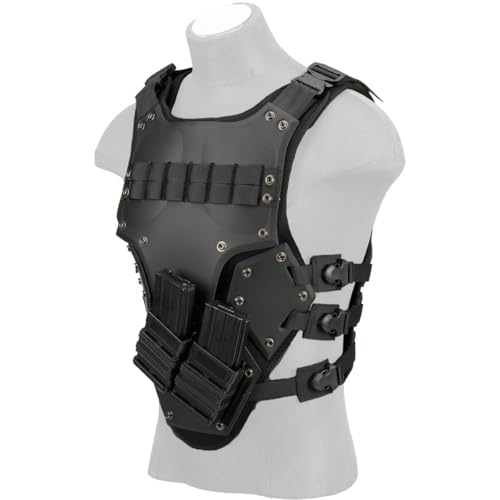 #1
#1
Best Overall
GoldenBall Lightweight Tactical TF3 High Speed Mag Strap Airsoft Paintball Body Armor (Mag Not Included) (Black)
$75.0
Check Price → #2
#2
Runner Up
Neoaider Tactical Gear Stand, Heavy Duty Body Armor Stand Quick Access & Convenient Store, Green Military Gear Holder Tactical Helmet Vest Belt Display Rack, Suitable for Indoor Home Garage
$69.99
Check Price → #3
#3
Best Value
Armor Stand Heavy Duty Body Armor Stand Weighted Vest Stand Two Bracket Tactical Gear Stand Full Body Gear Stand Vest Belt Rack Law Enforcement Gear Stand Plate Carrier Rack Military Gear Stand
$40.99
Check Price →Our Top Picks
Affiliate disclosure: if you buy through these links, we may earn a commission at no extra cost to you.
Factors to Consider
Understand armor types and mission profile
⚡ Quick Answer
Pick the configuration based on your assignment: plainclothes patrol, uniformed patrol, corrections, or high-threat entry. Soft armor is the baseline for everyday carry because it conceals under a shirt and counters the most common handgun threats officers face, per U.S. Armor. Hard plates are mission pieces for higher-threat work — they add weight and bulk but are essential when rifle-level protection is required. Decide whether you need full front/back coverage, side plates, or modular add-ons before you buy.
Table of Contents
Soft vs. hard armor — tradeoffs you must account for
Soft armor offers concealability and lower weight at the cost of limited rifle protection; it’s designed to stop popular handgun rounds. Hard armor plates (ceramic, steel, polyethylene composites) give rifle protection but increase load and alter weight distribution. Balance protection level against mobility and duty tasks — add plates only when threat assessment justifies the extra load and retention changes. Remember: 92% of officer fatalities from 1987–2015 were caused by firearms, so match protection to realistic threats.
Retention, fit, and weight distribution
Proper fit beats bigger size every time — armor must sit over the chest and cover vital anatomy without restricting breathing or weapon access. Look for carriers with adjustable cummerbunds, low-profile shoulder pads, and MOLLE-compatible panels for pouches; these features control plate shift and keep weight off the neck. Test carriers with the gear loadout you’ll wear on shift — radio, magazines, and tourniquet change center of balance. Poor retention or bad weight distribution will fatigue you and reduce reaction time in a fight.
Durability, materials, and environmental resistance
Inspect seams, stitching density, and abrasion-resistant fabrics; carriers take daily abuse and must survive rain, sweat, and drag-outs. For plates, know the material tradeoffs: steel is durable but heavy and can spall, ceramic breaks on impact but is lighter, and polyethylene gives good multi-hit performance at lower weight. Ask manufacturers about warranties and degradation policies — hard armor performance can change after a severe impact or excessive moisture exposure. RRTacticalGear emphasizes that tactical gear must remain reliable under unpredictable field conditions.
Accessory compatibility and operational integration
Choose carriers that integrate with your existing kit: radio pouches, chest rigs, tourniquet mounts, and holster platforms must ride where you expect them. Quick-release systems are mission-critical for vehicle egress and casualty care, but test them for accidental actuation under stress. Chase Tactical notes armor evolution improves operational adaptability — pick modular systems so you can scale protection up or down without re-learning layout. Prioritize systems that let you clearances, reloads, and medical interventions without compromising cover.
Frequently Asked Questions
What level of protection do I need for everyday police work?
For standard patrol and plainclothes assignments, Level II or IIIA soft armor is common because it protects against the most common handgun threats, according to U.S. Armor. If your unit faces a credible rifle threat or serves warrants, you should add hard plates rated to the appropriate rifle threats. Let threat assessment and agency policy drive the final decision.
Can soft armor stop rifle rounds?
No. Soft armor is optimized for handgun threats and does not stop high-velocity rifle rounds. Hard plates made of ceramic, steel, or polyethylene composites are necessary for rifle-level protection.
Which plate material should I choose: ceramic, steel, or polyethylene?
Each material has mission tradeoffs: ceramic offers good stopping power with lower weight but can fracture on impact; steel is robust and cheaper but heavier and can spall; polyethylene is light with excellent multi-hit capability but is bulkier and sensitive to heat. Match material to mission profile and consider how weight will affect movement and endurance on long shifts.
How should body armor fit with duty gear and holsters?
Fit armor with the full duty rig on — radio, holster, magazines, and tourniquet. Ensure shoulder straps and cummerbunds keep plates from rotating and that your holster draw stroke is unobstructed. Retention systems and MOLLE placement must preserve weapon access and stop any shifting that could snag during a fight.
How often do I need to replace my armor?
Follow the manufacturer’s service life and replacement guidance and replace armor after any ballistic impact. Many vendors publish a lifecycle and inspection criteria; if stitching, seams, or plate integrity show compromise, remove it from service immediately. Regular inspections are your responsibility — do not ride on assumptions.
Is a quick-release system worth it for everyday use?
Yes, if your mission includes vehicle operations, rapid threat exposure, or the potential for constrained egress. Quick-release lets you ditch the rig fast for medical care or confined-space exits, but you must train with it so it doesn’t inadvertently deploy. Test any quick-release under load to ensure it won’t open during arrest work or physical engagement.
Do tactical gear recommendations actually improve survivability?
Yes. The evolution of armor and equipment has measurably improved officer safety in high-risk situations, per Chase Tactical, and proper tactical gear supports efficiency and adaptability as RRTacticalGear notes. Given that firearms caused 92% of officer fatalities between 1987 and 2015, investing in appropriate, mission-specific protection is a force multiplier for survival.
Conclusion
Choose armor that matches your threat profile and the realities of your shift: soft armor for everyday concealability, hardened plates for high-risk work. Prioritize fit, retention, and modularity — the right carrier and plate combo is the difference between compromised mobility and returning home to your family.


