

Best Tactical Boots For Fourth Of July Security De
🏆 Top Picks at a Glance
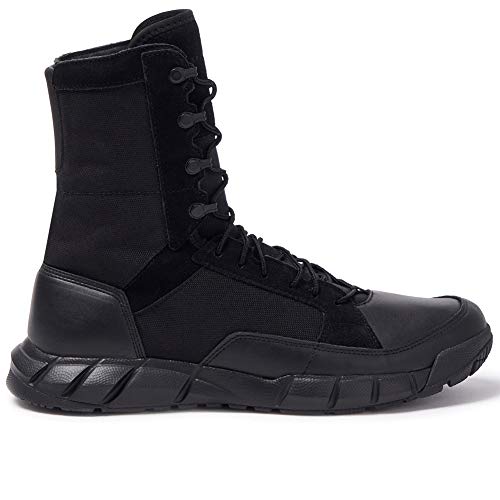 #1
#1
Best Overall
Tactical Boots,11,R,Black,Plain,Mens,PR
$125.0
Check Price → #2
#2
Runner Up
Under Armour Men's Micro G Valsetz Zip Military and Tactical Boot, Black (001)/Black, 11 M US
$109.99
Check Price → #3
#3
Best Value
NORTIV 8 Men's Military Tactical Boot Lightweight Comfortable Boots for Work All Day Side Zipper Motorcycle Combat Hiking Boots Metrostrike(8-9 Inches),Size 11,Black-9 Inches
$57.99
Check Price →Our Top Picks
Affiliate disclosure: if you buy through these links, we may earn a commission at no extra cost to you.
Factors to Consider
Frequently Asked Questions
What boot height is best for Fourth of July security details?
An 8-inch boot provides the optimal balance between ankle support and mobility for long-duration security work. Six-inch boots offer better agility but sacrifice lateral support during crowd navigation; 10+ inch boots provide maximum support but create fatigue and restrict your gait on extended details where you're covering significant ground on foot.
How often should I replace tactical duty boots?
Replace boots every 12–18 months under regular duty cycles (40+ hours per week), or immediately if you observe sole separation, heel breakdown, or compromised structural integrity. Extended-duration details like Fourth of July security—8–12 hour single events—don't shorten lifespan if your boots are properly maintained, but cumulative duty hours always take precedence over calendar time.
Should I break in new boots before a security detail?
Absolutely. Deploy new boots to a detail without a minimum 20–30 hours of break-in time and you're risking blisters that will compromise your mobility and professional effectiveness. Wear new boots during light training, administrative duty, or shorter patrols before committing them to a high-stakes, all-day security operation.
What's the difference between tactical and regular work boots?
True tactical boots feature reinforced ankle collars, aggressive lugs designed for rapid directional changes, and soles engineered for duty loads that include body armor and tactical gear—not just general construction wear. Regular work boots prioritize comfort over performance under stress; they lack the lateral stability and load-bearing architecture required when you're carrying 20–30+ lbs of duty equipment for extended periods.
Do I need waterproof boots for outdoor Fourth of July security?
Waterproofing is mission-dependent. If your detail includes standing water exposure, wet lawn work, or fountain proximity, Gore-Tex waterproof boots are essential. For dry-venue details, prioritize breathability and moisture-wicking construction instead; waterproof boots without breathability trap sweat and create blister conditions faster than water exposure would cause problems.
Can I wear the same tactical boots for plate carrier duty and standard patrol?
Yes, if your boots are properly rated for cumulative load. However, boots engineered for 15–20 lb duty loads may not provide adequate structural support under 25–30+ lb plate carrier plus ammunition loads. Always verify manufacturer load ratings and consider separate boots for significantly different operational profiles to maximize lifespan and performance.
What insole upgrades are worth the investment?
High-quality orthotic insoles (Superfeet, Powerstep, or custom military-grade options) are worth every dollar—they reduce foot fatigue by 30–40% on 12-hour details and prevent long-term joint damage. Stock insoles in tactical boots are baseline; upgrade them immediately if you experience arch pain or fatigue after 4–6 hours of wear.
Conclusion
Fourth of July security details demand boots that perform under cumulative load, extended stand-time, and environmental stress. Prioritize proven sole construction, proper shank support, breathability matched to your operational environment, and ankle architecture that handles rapid movement without compromise. Your boots are your first line of operational readiness—choose based on mission requirements, not marketing hype, and your team will stay mobile, alert, and mission-effective all day long.


