

Duty Holsters Buying Guide: What to Look For in 2026
🏆 Top Picks at a Glance
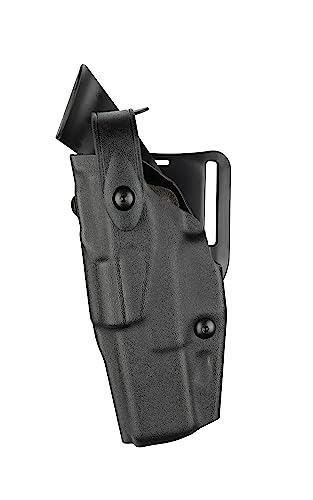 #1
#1
Best Overall
Our Top Picks
Affiliate disclosure: if you buy through these links, we may earn a commission at no extra cost to you.

Safariland ALS/SLS Mid-Ride Level III Retention Duty Holster w/ Plain & Tactical Finish Springfield Armory 1911-A1 Operator Left Hand STX Plain
$124.47
Check Price →
#2
Runner Up
Safariland, 6395: ALS, Level 1 Retention Duty Holster, Fits: Springfield Operator w/Sure Fire X200, X300, Low-Ride, Right Hand, Black - STX Tactical
$159.24
Check Price →
#3
Best Value
Safariland ALS/SLS Mid-Ride Level III Retention Duty Holster w/ Plain & Tactical Finish Springfield Armory 1911-A1 Operator Left Hand STX
$124.47
Check Price →⚡ Quick Answer
Choosing the right-duty holster isn’t just about comfort or quick draw. It’s about reliability under stress, retention under duress, and durability that withstands the daily grind of law enforcement and security operations. In 2026, the landscape has evolved with advancements in materials, retention technology, and modular design—making the selection process more critical than ever.
Table of Contents
Every officer, security professional, or tactical operator must understand what makes a holster mission-ready. The wrong choice can lead to critical delays, equipment failure, or even injury. This guide distills the essential factors to consider, ensuring your gear performs flawlessly when every second counts.
Safariland ALS/SLS Mid-Ride Level III Retention Duty Holster w/ Plain & Tactical Finish Springfield Armory 1911-A1 Operator Left Hand STX Plain
$124.47Check PriceRetention & Security Features
Retention is the cornerstone of a duty holster. A holster must hold your firearm securely during rapid movements, confrontations, and while crawling through confined spaces without impeding accessibility. Mechanical retention devices such as level II or level III thumb screws, adjustablehoods, and retention screws allow tailored security. Modern holsters incorporate passive retention features like molded retention ridges and positive-lock triggers, reducing reliance on adjustable hardware.
In 2026, look for holsters with multi-tier retention systems—these add redundancy, ensuring that even if one method fails, others still secure the weapon. An ideal holster uses a combination of active retention (trigger guard lock, thumb release) and passive features, providing peace of mind without sacrificing speed.
Material & Durability
Durability starts with selection of materials. Kydex remains the gold standard for rigid, form-fitting holsters thanks to its resistance to impacts, chemicals, and temperature variations. Reinforced polymer composites are also gaining ground, offering similar resilience with improved lightness. Leather and nylon variants continue to find niches—though less favored for duty use, they may still offer comfort in less strenuous roles.
Operational environments demand materials that won’t crack, warp, or degrade. In 2026, premium holsters employ impact-modified Kydex or carbon fiber-infused plastics that resist the rigors of daily wear and exposure to elements. This becomes especially critical in adverse weather or high-stress scenarios where failure isn’t an option.
Fit & Compatibility
An ill-fitting holster causes more problems than it solves. It hampers draw speed, increases wear on your firearm, and can compromise retention. Always verify the holster is specifically molded for your make and model of firearm. Adjustable or modular holsters that can accommodate multiple sizes or models are advantageous, but only if the fit remains snug and consistent.
Proper attachment also matters—ensure your holster mounts securely to your duty belt, plate carrier, or drop-leg platform without wobbling. Some holsters feature quick-change loops or modular mounts, enabling swift adaptation to shift requirements or different gear configurations. Take the time to verify compatibility with your existing setup before deploying gear in active operations.
Ease of Draw & Reholstering
Speed and control are vital during high-stakes scenarios. Material rigidity and retention features influence how quickly you can draw your weapon and return it safely. Holsters with a smooth, snag-free opening mechanism—such as molded locking points that activate with a simple, deliberate motion—save valuable seconds.
Reholstering must be intuitive and secure. Holsters with an active retention release that can be operated with one hand under stress are ideal. The holster should also accommodate rapid reholstering without catching or snagging, especially when operating with gloves or in low-light conditions.
Mounting & Accessibility
Your holster’s mounting options determine how you access your firearm in different operational situations. Belt attachments, drop-leg platforms, or MOLLE-compatible mounts each serve specific needs. Quick detach systems facilitate rapid on/off changes—vital when transitioning between roles or environments.
For security personnel working on a mobile platform, a low-profile, strong side mount offers quick access with minimal exposure. For patrol officers, a retention holster on the strong side belt provides optimal draw speed. Always ensure your mount maintains stability during movement—wobbling or shifting can be hazardous precisely when you need speed and control.
Frequently Asked Questions
What is the best retention level for duty holsters?
It depends on your operational environment. Level I provides basic retention for low-threat environments; Level II adds passive retention, suitable for general duty; Level III offers maximum security, ideal for high-risk situations or when weapon retention is critical.
Can I use a civilian holster for law enforcement duty?
Most civilian holsters lack the durability, retention, and mount-specific features necessary for duty use. Always select gear designed for high-stress environments and your firearm model.
How often should I inspect and maintain my holster?
Perform weekly visual inspections and after every duty shift. Check retention screws, mounts, and material integrity. Replace worn or damaged parts immediately.
Is Kydex better than nylon holsters?
For duty use, yes. Kydex offers superior retention, strength, and shape stability. Nylon may work for off-duty or less demanding roles but generally falls short under stress or extreme conditions.
How does a modular holster system improve efficiency?
Modular systems allow quick configuration changes—swap mounts, retention levels, or carry positions—saving time and adapting to mission-specific needs without carrying multiple dedicated holsters.
Choosing the right-duty holster in 2026 boils down to understanding retention, materials, fit, and your operational environment. The right gear translates into operational confidence and safety. Invest in quality, test thoroughly, and tailor your setup to your unique mission requirements. Your life—and the lives of others—may depend on it.


