

Best tactical boots for spring law enforcement foot patrols on wet grass in 2026
🏆 Top Picks at a Glance
 #1
#1
Best Overall
GARMONT TACTICAL T8 Defense LE Law Enforcement EMS Boots for Men and Women, Full Grain Leather, Regular, Size 9.5
$168.0
Check Price → #2
#2
Runner Up
GARMONT TACTICAL T8 LE 2.0 Law Enforcement EMS Boots for Men and Women, Polishable Full Grain Leather, Lightweight and Breathable, Side Zipper, Uniform Compliant, 8" High, Black, Regular, Size 8
$128.0
Check Price →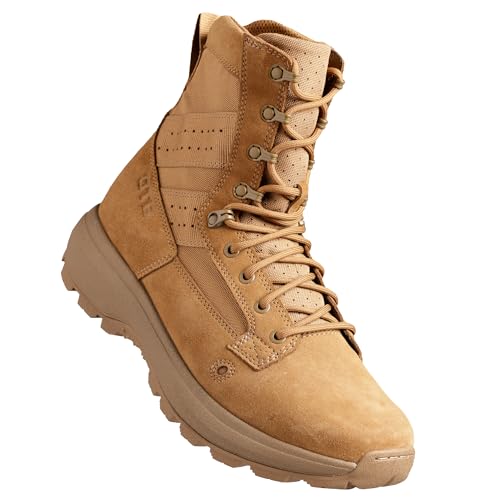 #3
#3
Best Value
OTB Boots M-Flex 8 Tactical Boots for Men and Women - Lightweight, Durable Military & Combat Boots with Slip-Resistant Sole and Waterproof Leather, Coyote (Coyote, US Footwear Size System, Adult, Men, Numeric, Medium, 10.5)
$180.0
Check Price →Spring foot patrols on wet grass demand boots engineered for one thing: staying operational when conditions degrade. You need slip resistance that holds on saturated turf, waterproofing that doesn't fail at the seams, and weight distribution that keeps your feet—and your focus—where they need to be after eight hours on shift. We've vetted seven tactical boots built for LE duty and wet-weather performance. Here's what separates the gear that works from the gear that doesn't.
⚡ Quick Answer: Best Duty Holsters
$180.0 — Check price on Amazon →
Table of Contents
Main Points
- Full-grain leather with polishable finishes (Garmont T8 LE 2.0) meets uniform standards while maintaining waterproof integrity under field stress—critical for agencies requiring inspection-ready appearance without sacrificing performance.
- Slip-resistant soles rated for wet grass require aggressive tread patterns and rubber compound testing; lightweight options under 2 lbs per boot reduce fatigue on extended patrols without compromising ankle support or traction.
- Waterproof construction varies significantly: sealed seams and treated leather outperform suede-only uppers when saturation is expected; side zippers offer faster entry/exit for tactical transitions but require quality closure seals to prevent water infiltration at stress points.
- Weight distribution across the forefoot and heel determines foot fatigue in the final hours of patrol; boots with anatomical insole support and proper break-in windows (typically 2–3 shifts) reduce blister formation and maintain operational readiness on consecutive duty days.
- Height selection (6-inch vs. 8-inch) trades ankle support for lower weight and thermal regulation; spring conditions favor mid-height boots that lock the ankle without overheating, especially during high-activity responses on soft, wet terrain.
Our Top Picks
Affiliate disclosure: if you buy through these links, we may earn a commission at no extra cost to you.
Factors to Consider
Frequently Asked Questions
Conclusion
Spring wet-grass patrols demand boots engineered for sustained waterproofing, reliable traction, and cumulative fatigue management — not fashion or cosmetic features. Your selection should prioritize genuine Gore-Tex or equivalent membrane, aggressive tread design, proper ankle architecture, and realistic weight management to maintain performance across a full shift carry load.
Purchase your boots 4-6 weeks before peak season deployment, run them through proper break-in protocol, and maintain a rotation pair to extend service life and ensure one pair is always mission-ready. Your feet carry you through every call that matters — invest accordingly.


