

How to Choose the Best Tactical Boots for Spring Patrols as a Law Enforcement Officer
Spring patrols present unique challenges—warmer weather, increased foot traffic, and terrain shifts demand boots that perform reliably without sacrificing comfort or durability. As a veteran officer, I’ve seen firsthand how the right footwear impacts mission success and personal safety. The wrong choice can lead to fatigue, slips, or even injury during critical moments.
Our Top Picks
Affiliate disclosure: if you buy through these links, we may earn a commission at no extra cost to you.


Choosing tactical boots isn’t just about style or brand reputation; it’s about selecting gear that ensures retention under stress, distributes weight efficiently, and withstands the rigors of daily duty. This guide breaks down the key factors you need to consider to make an informed, tactically sound decision for spring patrols.
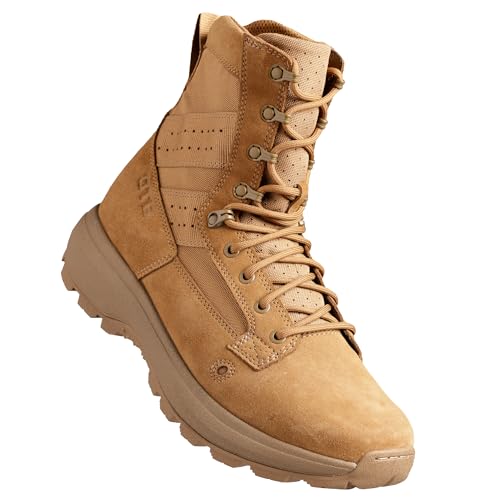
OTB Boots M-Flex 8 Tactical Boots for Men and Women - Lightweight, Durable Military & Combat Boots with Slip-Resistant Sole and Waterproof Leather, Coyote (Coyote, US Footwear Size System, Adult, Men, Numeric, Medium, 10.5)
$180.0Check PriceTable of Contents
Understanding Duty Boot Features
When selecting tactical boots for spring patrols, focus on key features like ankle support, waterproofing, breathability, and weight. Ankle support prevents sprains during rapid movements or uneven terrain. Waterproof membranes, such as Gore-Tex or comparable materials, keep your feet dry in sudden spring showers or moist grass and mud.
Weight is also critical—lightweight boots reduce fatigue over long shifts but shouldn’t compromise structural integrity. Look for a balance that allows hydration of your foot profile, especially if you'll be on your feet for hours. Additionally, strategic reinforcement around toe and heel areas enhances durability against rough surfaces.
Material and Construction for Spring Patrols
Spring conditions require boots built from breathable, moisture-resistant materials. Leather combined with abrasion-resistant textiles delivers both durability and breathability—preventing hot spots, blisters, and excessive sweating. Full-grain leather offers superior longevity, while nylon panels improve airflow.
Construction quality matters; double-stitched seams and quality waterproof membranes ensure longevity. Consider boots with a gusseted tongue to prevent debris and water ingress, especially important on wet mornings or in muddy terrain often encountered in spring.
Traction, Grip, and Sole Design
The sole pattern and rubber compound are your frontline defenses against slips and falls. Spring terrain—wet pavement, mud, or loose gravel—requires a sole with deep lugs for bite and a sticky rubber compound for consistent grip. A slip-resistant tread pattern enhances stability on unpredictable surfaces.
Pay attention to heel and arch design; wider, flatter soles distribute pressure evenly and improve balance during rapid movement or when navigating inclines. Replace worn soles promptly—no matter how good a boot is, worn-out tread compromises safety.
Comfort and Fit Considerations
Comfort starts with proper fit—size your boots correctly, factoring in the thickness of insoles and socks. A snug fit prevents heel lift and blisters but shouldn’t constrict circulation. Consider boots with sufficient toe room, especially if you wear thicker socks for warmth.
Padding around the ankle and collar reduces chafing, while moisture-wicking linings keep your feet dry. Break your boots in before deployment—shoes that mold to your foot prevent hotspots during long patrols.
Durability and Maintenance
Boots are an investment; ensuring they stay in top condition prolongs the service life and performance. Clean after each shift—removing mud, mud, and debris with a stiff brush preserves material integrity. Apply leather conditioner periodically to prevent cracking, and waterproof treatments extend extent of water resistance.
Inspect soles, laces, and eyelets regularly. Replace worn laces immediately to maintain proper fit and retention. Store boots in a cool, ventilated area to prevent mold and odor buildup.
Additional Tactical Factors
In spring, lightweight waterproof boots support your mission without adding unnecessary weight. Consider high-top designs for enhanced ankle support during demanding operations, but ensure they aren’t so rigid that flexibility is sacrificed. Reflective or high-visibility accents can improve safety during low-light conditions—especially useful at dawn or dusk patrols.
Compatibility with orthotics or insoles can also be critical—ensure your boots accommodate additional support if you rely on custom inserts for comfort or injury prevention. Finally, always test the boots with your gear on—sling your duty belt, load your radio pouch, and simulate movements to confirm that the fit remains secure and comfortable under load.
Frequently Asked Questions
How do I break in new tactical boots quickly?
Wear them around the house or during short patrols, gradually increasing duration. Use leather conditioner and insoles to soften stiff areas. Avoid rushing; proper break-in prevents blisters and hot spots.
Are waterproof boots better for spring patrols?
Yes, especially in wet morning dew, muddy terrain, or rainy conditions. They keep your feet dry, helping maintain comfort and preventing cold-related fatigue.
How often should I replace my tactical boots?
Generally, after 500–700 patrol hours, or when soles are worn smooth, or when structural integrity is compromised—like cracked leather or damaged eyelets. Regular inspections are key.
Can I wear tactical boots off duty?
Absolutely. Quality boots that meet your operational needs can double as everyday footwear, providing durability and support whether on or off duty.
What are the most common mistakes when choosing tactical boots?
Ignoring fit, sacrificing durability for style, and choosing boots without considering terrain and climate conditions lead to subpar performance and early replacement.
Should I opt for insulated boots in spring?
Typically no—spring weather usually doesn’t require insulation. Focus on breathability and waterproofing instead to stay comfortable and dry.
Choosing the right tactical boots for spring patrols isn’t just about comfort; it’s a critical safety decision that affects retention, agility, and operational readiness. Prioritize durability, traction, and fit, and maintain your boots well to ensure they meet the demands of daily law enforcement duties. Equip yourself with the proper footwear, and you'll move confidently through every shift.


