

Best Duty Holsters for Everyday Use
🏆 Top Picks at a Glance
 #1
#1
Best Overall
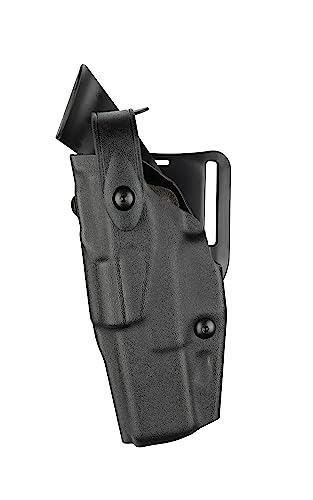
Safariland ALS/SLS Mid-Ride Level III Retention Duty Holster w/ Plain & Tactical Finish Springfield Armory 1911-A1 Operator Left Hand STX Plain
$124.47
Check Price → #2
#2
Runner Up
Safariland, 6395: ALS, Level 1 Retention Duty Holster, Fits: Springfield Operator w/Sure Fire X200, X300, Low-Ride, Right Hand, Black - STX Tactical
$159.24
Check Price →
#3
Best Value
Safariland ALS/SLS Mid-Ride Level III Retention Duty Holster w/ Plain & Tactical Finish Springfield Armory 1911-A1 Operator Left Hand STX
$124.47
Check Price →Our Top Picks
Affiliate disclosure: if you buy through these links, we may earn a commission at no extra cost to you.
Factors to Consider
Retention mechanisms and draw discipline
⚡ Quick Answer
Retention alone doesn't protect you from a grab or slow your draw when the clock is ticking. Most duty holsters use Level I-III retention, with Level II and III being standard for active-duty and security roles. Look for a deliberate release or thumb-activated mechanism that stays secure until you intentionally release. Train on the draw sequence under fatigue so your hand knows the motion without thinking about it.
Table of Contents
Fit, body geometry, and ride height
Your holster must align with your body geometry and your weapon grip. Ride height and cant affect draw speed and concealment under clothing and gear. Under sprinting, crawling, or climbing, it should stay seated on the belt with minimal rotation. Always test fit on your duty belt, plate carrier, and harness to avoid interference.
Materials and durability
Polymer holsters like Kydex or Boltaron hold their form under heat and sweat and resist impact. Leather options can be comfortable but require more maintenance and can creep in high-heat or sweaty conditions. Quality construction—proper rivets, screws, and hardware—extends life and preserves retention. Expect to replace components after heavy use or after noticeable wear points.
Attachment compatibility with gear
Choose holsters that attach to standard duty belts (1.5-2.25 inches) and are compatible with MOLLE/PALS or plate-carrier systems. A secure attachment method reduces belt ride and holster twist during runs or climbs. Confirm compatibility with your platform (duty belt + modular harness) and ensure the holster stays in place when gear is worn.
Maintenance and lifecycle
Inspect hardware regularly; tighten screws and check wear points at the trigger guard, mouth, and attachment points. Wash polymer shells with mild soap; avoid solvents that degrade finishes. Rotate holster usage to distribute wear and follow manufacturer guidance on replacement intervals.
Frequently Asked Questions
What is the difference between Level II and Level III retention, and which should I pick for duty use?
Level II uses a secondary passive lock or detent, while Level III adds an active release (thumb or lever). For most duty work, Level II or III provides snatch resistance without undue delay, provided you train the draw. Field tests and department experience show properly trained operators maintain consistent draw performance with either level under stress.
Can I mount a duty holster on a plate carrier or duty belt?
Yes. Most duty holsters are designed for belt carry and plate-carrier platforms; look for MOLLE/PALS compatibility or a dedicated harness system. Ensure the holster remains stable when you wear armor and equipment, since looseness or movement can slow your draw or cause wear points over time.
What materials should I consider for a reliable duty holster?
Polymer holsters (Kydex/Boltaron) are popular for their shape retention, impact resistance, and sweat tolerance; research and field tests favor polymers in hot or humid climates. Leather can be comfortable but tends to require more maintenance and can creep under heat. Choose based on climate, training needs, and your agency’s durability expectations.
How important is cant and ride height for quick access?
Cant and ride height directly affect draw angle and muzzle exposure. Ergonomic studies indicate the right combination minimizes tissue exposure and reduces mis-draws during high-stress movements. Always tailor cant and height to your grip, torso length, and armor configuration, then verify during live-fire drills.
What maintenance does a duty holster require?
Regular inspection of retention hardware, screws, and attachment points is essential. Clean polymer shells with mild soap and avoid solvents that can degrade finishes; rotate usage to distribute wear. Agencies with formal maintenance schedules report fewer failures when these steps are followed consistently.
Will a heavier holster affect my mobility?
Weight distribution matters: a well-balanced setup reduces torso twist and energy expenditure during movement. A high-ride, secure attachment minimizes sway, but excessive weight or poor mounting can increase fatigue over a shift. Pair your holster with a properly fitted belt and harness to mitigate mobility impacts.
What should I look for in a warranty or service policy?
Look for a warranty that covers craftsmanship and hardware for a reasonable period; many reputable brands offer extended or even lifetime-style guarantees. A solid warranty often correlates with build quality and service support, which matters when gear must perform every shift.


