

How to Choose the Right Tactical Boots in 2026
Selecting the right tactical boots requires assessing your specific needs, such as intended use for military, law enforcement, or hiking. Consider environmental factors like terrain and weather to determine if waterproofing or insulation is necessary. Evaluate key features including materials, sole design, and ankle support. Proper sizing is critical; measure your feet accurately and test the fit while wearing intended socks to ensure comfort and prevent injury. Research different brands and models to find the best match for your conditions.
Quick Answer
Selecting tactical boots requires assessing specific needs like environment and activity type. Consider weather conditions, such as choosing waterproof options for wet terrain or insulated boots for cold climates. Evaluate key features including material durability, sole traction, and ankle support levels. Proper sizing is critical; measure feet at day’s end and test fit with intended socks to ensure adequate toe room and minimal heel slip. Research different models to find those matching your personal preferences and operational demands.
Table of Contents
- Quick Answer
- Our Top Picks
- Understanding the Core Purpose of Tactical Boots
- Assessing Your Specific Operational Environment
- Evaluating Material Durability and Construction Quality
- Navigating Protection Versus Mobility Tradeoffs
- Ensuring Proper Fit Through Accurate Measurement
- Compliance Standards for Military-Grade Footwear
- Frequently Asked Questions
- Sources
Our Top Picks
Affiliate disclosure: if you buy through these links, we may earn a commission at no extra cost to you.


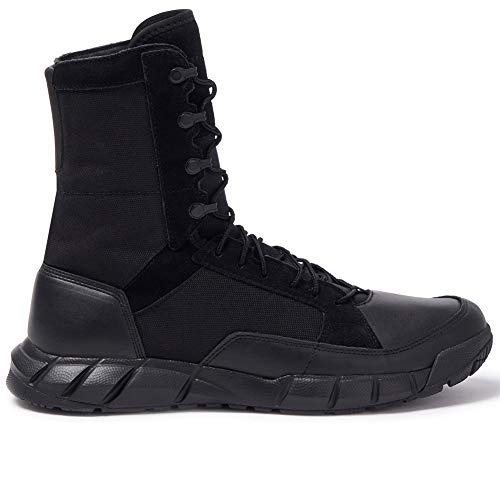
Understanding the Core Purpose of Tactical Boots
The fundamental purpose of a tactical boot is defined by its capacity to endure specific demands rather than by the identity of the wearer. These boots are engineered to manage three critical factors: load movement fatigue, environmental abuse, and the physical stresses placed on the body during operation. The primary objective is to support the wearer under stress while protecting the foot from terrain hazards and impact forces. Additionally, the boot may need to maintain reliable traction across unpredictable surfaces to ensure stability. A key distinction in understanding tactical footwear is recognizing that comfort is not the primary goal. Instead, comfort is viewed as a secondary result achieved through correct support, proper fit, and robust construction. Relying on soft padding or highly flexible materials may provide immediate sensation but often fails to sustain performance over extended periods. A boot that feels comfortable for a short duration but compromises structural integrity after eight hours of use is considered a liability rather than an asset. The core function remains preserving endurance over time and managing physical stress, ensuring the footwear serves as a reliable tool for operational effectiveness rather than merely a comfortable accessory.
Assessing Your Specific Operational Environment
When assessing your specific operational environment for tactical boots, the primary step involves determining the intended application context. You must evaluate whether the footwear will serve everyday wear, military operations, law enforcement duties, or hiking activities, as each scenario demands distinct functional features. This assessment dictates the necessary level of protection, including considerations for impact resistance, puncture resistance, and electrical hazard protection based on the specific hazards present in your environment. Climate conditions represent another critical factor in this evaluation. For hot weather operations, breathable materials are essential to prevent overheating and manage moisture buildup effectively. Conversely, cold environments require insulated boots to retain body warmth and maintain comfort during extended exposure. The fit of the boot is also intrinsically linked to the operational environment, as ill-fitting footwear can lead to blisters, discomfort, or injuries that compromise performance. Taking time to measure feet accurately and consulting size charts ensures the boot supports the specific physical demands of your chosen activities. By carefully weighing these environmental and functional variables, you can align the boot’s characteristics with your actual operational needs rather than relying on generic assumptions.
Evaluating Material Durability and Construction Quality
When evaluating the material durability and construction quality of tactical boots, focus on the specific components designed to withstand harsh conditions. High-quality materials such as full-grain leather and high-density nylon are primary indicators of robust construction, selected for their inherent strength and resistance to wear. These materials allow the footwear to endure rigorous field use over extended periods. Examine the construction techniques employed in the boot's assembly. Advanced stitching methods, including double or triple stitching, serve to reinforce structural integrity and prevent separation under stress. Pay close attention to reinforced zones, particularly around the toe and heel areas, which provide essential protection against impacts and abrasion. These reinforced sections are critical for maintaining the boot's shape and functionality in demanding environments. Additionally, assess the outsole design and material composition. Durable outsoles, often utilizing materials like Vibram rubber, are engineered to resist abrasion while offering superior traction across various surfaces. This combination of resilient materials and reinforced construction techniques ensures that the boots can maintain stability and security in diverse operational settings. Evaluating these specific attributes helps determine the overall longevity and performance potential of the tactical footwear.
Navigating Protection Versus Mobility Tradeoffs
Navigating the tradeoff between protection and mobility requires understanding that these two qualities exist on a continuous spectrum where increasing one inherently decreases the other. This fundamental principle applies universally regardless of the user's role or uniform status. When selecting footwear, one may need to accept that enhanced protection, such as that provided by heavy-duty eight-inch boots with reinforced uppers, comes at the cost of increased weight and stiffness. These features offer superior ankle and foot support under load but significantly restrict natural movement compared to lighter alternatives. Conversely, choosing footwear prioritized for mobility, such as lightweight low-profile patrol boots, offers greater flexibility and ease of movement on surfaces like concrete or stairs. However, this gain in agility often results in reduced structural integrity, meaning the boot may fail to withstand rough terrain or sustained physical abuse. Intelligent selection involves recognizing this inherent compromise rather than seeking a perfect balance that does not exist. Users may need to evaluate their specific needs, whether involving patrol duties, long shifts, or unpredictable daily environments, to determine where on the spectrum their priority lies. Accepting that a boot optimized for maximum protection will never move with the freedom of a lightweight design is crucial for making informed decisions about field performance and durability expectations.
Ensuring Proper Fit Through Accurate Measurement
Ensuring proper fit through accurate measurement is fundamental to achieving comfort and performance in tactical boots. The process begins with measuring feet at the end of the day, when they are naturally at their largest due to daily activity. This timing helps ensure the boots will remain comfortable even after expansion. To obtain precise dimensions, place a piece of paper on a flat surface and trace the outline of your foot while standing. It is important to wear the specific socks you intend to use with the boots during this tracing process. Once the outline is captured, measure the distance from the heel to the longest toe to determine length. Additionally, measure the width at the widest part of the foot. These specific measurements should then be compared against the manufacturer’s size chart to select the appropriate size. When assessing the fit, the boot should feel snug without being overly tight, allowing for natural foot movement. There may need to be sufficient room in the toe box to wiggle toes, and the heel should not lift excessively while walking. Attention to width is also critical, as a boot that is too narrow can lead to discomfort.
Compliance Standards for Military-Grade Footwear
Military-grade footwear must adhere to specific regulatory frameworks to ensure uniformity and operational readiness. The AR670-1 guidelines establish the mandatory criteria for all U.S. Army uniforms and equipment, including tactical boots. Compliance with these standards is required for any boot to be approved for wear with the official uniform. This process involves verifying that the footwear meets defined requirements for functionality, appearance, and durability. Selection based on these standards begins with material and color verification. Authorized materials typically include leather and nylon, restricted to specific hues such as tan or coyote brown. Design and construction elements are equally critical; boots must feature a plain toe design and a well-constructed sole while avoiding excessive ornamentation. These aesthetic and structural constraints ensure a standardized look across military units. Furthermore, performance standards dictate the functional capabilities of the footwear. Boots must provide adequate ankle support to protect the wearer during movement. They are expected to remain suitable for various terrains, ensuring soldier safety and comfort during prolonged wear. Adherence to these distinct categories—material authorization, construction simplicity, and performance utility—defines whether footwear qualifies as compliant military-grade equipment. Failure to meet any of these specific AR670-1 requirements results in disapproval for official use.
Frequently Asked Questions
What are the primary functions a tactical boot is designed to manage?
A tactical boot is designed to manage load, movement, fatigue, and environmental abuse. Its primary functions include supporting the body under stress, protecting the foot from terrain and impact, maintaining traction across unpredictable surfaces, and preserving endurance over time. Comfort results from correct support and fit rather than being the main goal.
How does the environment influence the selection of tactical boot features?
Environmental conditions guide tactical boot selection. Wet conditions suggest waterproof membranes, while hot climates require breathable materials to prevent overheating. Cold environments necessitate insulated boots to retain warmth. Terrain and activity duration also influence choices, such as prioritizing support for extended wear or traction for specific surfaces.
What materials are commonly used to achieve durability in tactical boots?
Tactical boots achieve durability through high-quality materials like full-grain leather and high-density nylon, selected for their strength and resistance to wear. Advanced construction techniques, including double or triple stitching and reinforced toe and heel areas, further enhance longevity. Outsoles often utilize durable materials like Vibram rubber to resist abrasion and provide traction in demanding environments.
What is the fundamental tradeoff between protection and mobility in tactical boots?
The fundamental tradeoff dictates that increased protection results in greater weight and stiffness, while enhanced mobility reduces structural integrity and durability. Heavier boots with reinforced uppers safeguard the ankle under load but lack the flexibility of lightweight models. Conversely, light boots offer ease of movement but may fail under rough terrain or sustained abuse.
What specific criteria does the AR670-1 guideline outline for tactical boots?
AR670-1 guidelines require tactical boots to use authorized materials like leather or nylon in specific colors such as tan or coyote brown. They must feature a plain toe, well-constructed sole, and no excessive ornamentation. Additionally, boots must provide adequate ankle support and ensure safety and comfort during prolonged wear in various terrains.
To choose the right tactical boots, first assess your specific needs based on the environment and activities. Consider factors like terrain, weather conditions, and duration of wear. Select boots with appropriate features such as waterproofing for wet conditions or insulation for cold climates. Ensure proper sizing by measuring your feet and testing the fit with intended socks to avoid discomfort.


