

How to Choose the Right Plate Carriers
In the field, your plate carrier is your frontline defense—an anchor for your armor, pouches, and essential gear. Choosing the right one isn't just about fit; it’s about reliability, comfort during long shifts, and mission-specific features that won’t let you down under stress. A poorly selected carrier can compromise safety, hinder mobility, or cause unnecessary fatigue.
Our Top Picks
Affiliate disclosure: if you buy through these links, we may earn a commission at no extra cost to you.


From patrol to tactical operations, selecting the right plate carrier ensures your gear performs when it matters most. It’s a critical decision: durability, retention, weight distribution, and configurability all intersect to create a platform that supports you in high-stakes environments.
Peminkoo Tactical Plate Carrier Cummerbund MOLLE Belt A.giIit Style KZ Vest Girdle Adapter Airsoft Hunting Gear Sturdy (BCP)
$78.99Check Price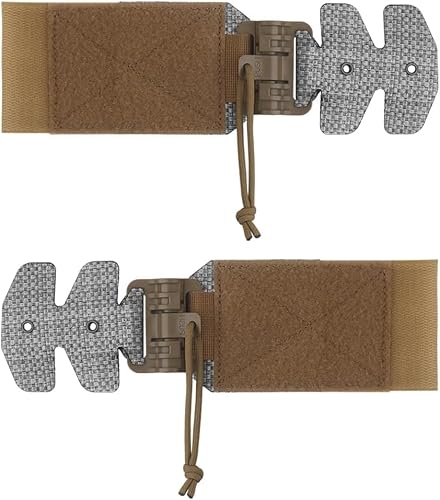
Table of Contents
1. Comfort and Fit
The cornerstone of effective gear is fit. A plate carrier that doesn’t conform properly will shift under movement, cause hot spots, and fatigue you faster. When sizing, always measure your chest and torso length, then try on multiple models. Look for adjustable shoulder straps and side panels—you want a snug but not restrictive fit that allows full range of motion.
Tip: Always test the carrier with your duty gear loaded—plates, pouches, and edc equipment—to ensure it remains comfortable after gear is mounted and under load. Remember, comfort isn’t luxury; it’s operational necessity.
2. Plate Compatibility
Compatibility with ballistic plates is non-negotiable. Your carrier must seat standard-sized plates securely—most shooters use 10"x12" or 11"x14" cut plates. Ensure the carrier provides proper coverage, especially over the vital organs. Overly small plates risk exposing your sides or lower abdomen, while oversized ones can hinder mobility.
When selecting plates, consider whether you need single or multi-curve designs, which better conform to body contours for comfort and retention. Some carriers come with adjustable retention straps—important for maintaining plate stability under vigorous movement.
3. Load-Bearing Capacity
Assess your gear loadout and select a carrier that can handle it. Some carriers are minimalist—intended for light duty and basic pouches—while others are modular platforms designed to carry heavy loads of gear, radios, medical kits, and more.
Look for reinforced webbing, molle compatibility, and sturdy attachment points. Don’t forget to factor in weight distribution: a carrier that evenly spreads weight reduces fatigue and preserves stamina during long shifts or extended operations.
4. Retention and Adjustability
Retention features—such as quick-release mechanisms, adjustable straps, and secures—are vital, especially when rapid removal is necessary or during rough engagement. Your carrier should keep plates firmly in place yet allow quick access if needed.
Adjustability should allow fine-tuning for different body sizes and tactical gear combinations. Some carriers feature modular platforms with removable panels, enhancing versatility across different missions.
5. Mission-Specific Features
No one-size-fits-all here. Depending on your role, you might need integrated hydration carriers, dedicated radio pouches, or ballistic side panels. Ensure the carrier's design aligns with your operational needs—whether SWAT, patrol, or covert assignments.
Material durability is equally important—look for high tensile strength fabrics like Cordura® and reinforced seams. Additional features such as laser-cut molle, padded shoulder straps, and low-profile designs can enhance performance in specialized environments.
Conclusion
Selecting the right plate carrier isn’t about brand loyalty or the latest gimmick. It’s a tactical decision rooted in understanding fit, compatibility, capacity, and mission requirements. Properly chosen, a carrier becomes an extension of your body—a reliable platform that keeps you protected and ready at a moment’s notice.
Evaluate your needs carefully, test fit with loaded gear, and prioritize durability and retention. Your safety depends on it. Now, take your assessment, choose wisely, and ensure your gear performs every shift, rescue, or takedown.
Frequently Asked Questions
How do I determine the right size for my plate carrier?
Measure your chest circumference at the widest point and torso length from shoulder to waist. Use sizing charts provided by manufacturers, then try on different models with loadout to ensure a proper, snug fit without restricting movement.
Can I use armor plates from different manufacturers with my carrier?
Yes, as long as the plates meet standard dimensions and cut sizes compatible with your carrier. Always verify the plates fit securely and do not impede mobility or coverage.
What is the most durable material for a plate carrier?
Cordura® nylon, especially 500D or 1000D, is the industry standard for durability and resistance to abrasions, tears, and the elements. Reinforced seams and high-quality hardware further extend service life.
How often should I inspect my plate carrier?
Perform a visual and functional inspection monthly. Check webbing, stitching, retention hardware, and plate fit. Replace any worn or compromised components immediately.
Are lightweight carriers less protective?
Lightweight carriers can be just as protective if they use quality materials and proper design. Choose models with reinforced points and secure plate retention—lighter doesn’t mean less durable.
Can I customize my carrier with additional pouches or accessories?
Absolutely. Modular carriers with molle attachments or laser-cut platforms allow customized configurations tailored to your operational requirements.


