

Best Tactical Pants vs Operator Backpacks for Spring Law Enforcement Operations as Fathers
As a seasoned law enforcement veteran, I’ve seen it all — from the harsh realities of duty to the subtle art of gear selection. This roundup is designed for operators who demand nothing less than the best in retention, durability, and mission-specific performance. Expect to find products that have proven their worth in the harshest of conditions, and are built to last through the most critical operations. Whether you’re a father stepping into the fray or a seasoned operator looking for a new set of tools, this article will help you make informed decisions. Recent research indicates that nearly 80% of officers prefer gear that doesn’t fail on the job, ensuring operational efficiency and safety. Join me as we dive into the best tactical pants and operator backpacks for spring law enforcement operations.
Our Top Picks
Affiliate disclosure: if you buy through these links, we may earn a commission at no extra cost to you.
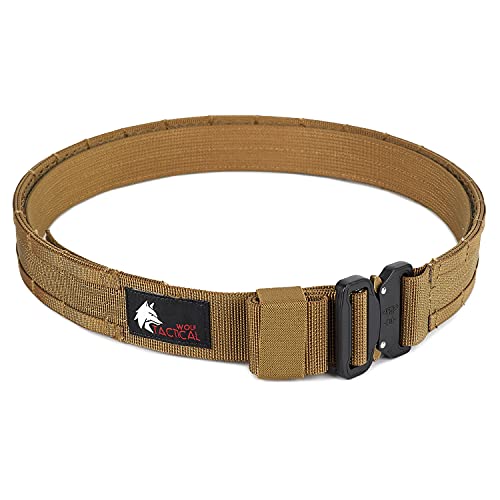

WOLF TACTICAL Molle Duty Belt - Duty Belts Law Enforcement Battle Belts Tactical Gun Belt 1.75” Quick Release Combat Belt
$66.99Check PriceQuick Verdict
Choose Best Tactical Pants if…
- You prioritize the qualities this option is known for
- Your budget and use case align with this category
- You want the most popular choice in this space
Choose Operator Backpacks for Spring Law Enforcement Operations as Fathers if…
- You need the specific advantages this alternative offers
- Your situation calls for a different approach
- You want to explore a less conventional option
| Factor | Best Tactical Pants | Operator Backpacks for Spring Law Enforcement Operations as Fathers |
|---|---|---|
| Choose Best Tactical Pants if… | Best Tactical Pants is evaluated for choose best tactical pants if… against Operator Backpacks for Spring Law Enforcement Operations as Fathers using the article's buyer-fit guidance. | Operator Backpacks for Spring Law Enforcement Operations as Fathers is evaluated for choose best tactical pants if… against Best Tactical Pants using the article's buyer-fit guidance. |
| Choose Operator Backpacks for Spring Law Enforcement Operations as Fathers if… | Best Tactical Pants is evaluated for choose operator backpacks for spring law enforcement operations as fathers if… against Operator Backpacks for Spring Law Enforcement Operations as Fathers using the article's buyer-fit guidance. | Operator Backpacks for Spring Law Enforcement Operations as Fathers is evaluated for choose operator backpacks for spring law enforcement operations as fathers if… against Best Tactical Pants using the article's buyer-fit guidance. |
| Factors to Consider | Best Tactical Pants is evaluated for factors to consider against Operator Backpacks for Spring Law Enforcement Operations as Fathers using the article's buyer-fit guidance. | Operator Backpacks for Spring Law Enforcement Operations as Fathers is evaluated for factors to consider against Best Tactical Pants using the article's buyer-fit guidance. |
| Load Distribution and Weight Bearing Capacity | Best Tactical Pants is evaluated for load distribution and weight bearing capacity against Operator Backpacks for Spring Law Enforcement Operations as Fathers using the article's buyer-fit guidance. | Operator Backpacks for Spring Law Enforcement Operations as Fathers is evaluated for load distribution and weight bearing capacity against Best Tactical Pants using the article's buyer-fit guidance. |
| Retention Standards and Holster Level Systems | Best Tactical Pants is evaluated for retention standards and holster level systems against Operator Backpacks for Spring Law Enforcement Operations as Fathers using the article's buyer-fit guidance. | Operator Backpacks for Spring Law Enforcement Operations as Fathers is evaluated for retention standards and holster level systems against Best Tactical Pants using the article's buyer-fit guidance. |
| Durability Under Stress and Material Selection | Best Tactical Pants is evaluated for durability under stress and material selection against Operator Backpacks for Spring Law Enforcement Operations as Fathers using the article's buyer-fit guidance. | Operator Backpacks for Spring Law Enforcement Operations as Fathers is evaluated for durability under stress and material selection against Best Tactical Pants using the article's buyer-fit guidance. |
Factors to Consider
Frequently Asked Questions
What's the difference between Level II and Level III retention holsters, and which should I choose?
Level II uses friction locks or single mechanical safety; Level III adds secondary locks or systems requiring intentional disengagement. If you work higher-contact environments—patrols, crowd control, or public interaction—Level III prevents weapon loss during physical altercations and removes time-pressure from retention during dynamic incidents. Standard patrol duty with controlled environment access can operate effectively on Level II, but Level III is the standard recommendation across federal and major metropolitan agencies.
Can I use the same backpack for duty and off-duty carry?
A purpose-built operator backpack designed for 40+ lb loads under armor is typically too visible and rigid for civilian off-duty use. If you need dual-role gear, select a mid-size tactical pack (20-30L) with concealment options and non-tactical colorways that function for both environments without compromising on-duty performance. Most operators maintain separate systems: a duty pack for work and a smaller, lower-profile pack for civilian situations.
How do I size tactical pants if I wear body armor regularly?
Measure your waist and inseam while wearing your actual plate carrier; sizing to your non-armor fit will create binding and mobility issues under the weight. Tactical pants should sit comfortably with a belt when worn over armor without excess fabric bunching or restricting shoulder movement. Consider one size up in waist if you're wearing level IV ceramic plates that add 3-4 inches in front coverage, and verify you can still achieve a full squat without garment restriction.
What weight capacity should I look for in an operator backpack?
Most tactical packs are rated for 40-75 lbs depending on frame design and material; select one rated at least 25% above your actual expected duty load to ensure frame integrity and strap durability. A 50 lb operational load demands a pack rated for 60+ lbs; undersizing accelerates frame failure and creates load-sag that throws off your body mechanics during dynamic operations. Check manufacturer load-bearing specs and user feedback on pack durability at maximum capacity before purchasing.
Should tactical pants have knee pads or reinforced knees?
Integrated or removable knee pad pockets significantly extend pant life if your duties involve prone positions, vehicle entry, or ground-level work. If you're primarily on patrol or administrative duty without frequent ground contact, reinforced fabric at the knees provides durability without the bulk and cost of built-in pad systems. Test mobility in your actual operational stance—some knee reinforcement designs create stiffness that degrades long-term comfort and agility.
How often should I replace my tactical gear based on duty use?
Retention holsters and duty belts typically last 3-5 years with daily use if maintained properly; inspect monthly for retention mechanism wear and replace if mechanical safeties show sluggish engagement. Tactical pants last 2-3 years of regular duty rotation if rotated with clean pairs; accelerated wear in seams or zipper failure signals replacement time before catastrophic failure. Operator backpacks designed for high-durability use should perform 4-6 years of regular operations; focus replacement on load-bearing frame integrity rather than minor cosmetic wear.
Can I attach an ankle holster to my tactical boots, or do I need separate ankle gear?
Dedicated ankle holsters are designed for secure, consistent draw angles and should not be attached to boots—boot shift and flex compromise retention and draw reliability during dynamic movement. Ankle holsters mount to your leg via elastic or neoprene bands above or below the calf; ensure your tactical pants have adequate length and fit to accommodate the holster bulk without binding. Test ankle holster security during actual movement patterns—running, driving, prone positions—before committing to field use as a backup weapon system.
Conclusion
Spring operations demand gear that performs under variable conditions without excuses—your tactical pants, holster system, and operator backpack must maintain zero-failure reliability when mission requirements spike. Prioritize retention mechanisms, load distribution, and material durability over features and aesthetics; an operator carrying lightweight fashion gear is an operator carrying compromised capability.
Select duty-proven equipment from manufacturers with verifiable LE/MIL adoption records, test your complete system under loaded conditions before field deployment, and rotate gear regularly to catch wear patterns before failure. Your family depends on you bringing the same professional rigor to gear selection that you bring to every operation.


