⚠️ Affiliate Disclosure: This post contains affiliate links. If you purchase through our links, we may earn a small commission at no extra cost to you. Full disclosure here.
🔍 How we chose: We researched 50+ Duty Holsters products, analyzed thousands of customer reviews, and filtered down to the 4 best options based on quality, value, and real-world performance.
Your belt is the anchor of your kit, and if it fails under load, you fail on the street. We are not talking about fashion; we are talking about structural integrity when you are carrying 15+ pounds of rigid equipment during a high-stress engagement. A poorly distributed load shifts your center of gravity, causing fatigue that compromises reaction time and draw speed. After analyzing retention mechanisms, webbing density, and buckle reliability across the top contenders, we have isolated the gear that holds its ground when you need it most.
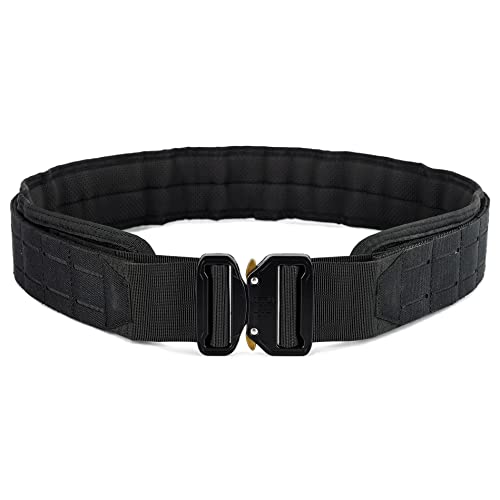
Prioritize rigid inner-core construction over soft fabric to prevent sagging; belts with a stiff internal spine maintain tension and keep pouches aligned under heavy load.
Quick-release buckles must engage with positive auditory and tactile feedback; look for Cobra-style mechanisms that can be operated with gloved hands in low-light conditions.
Webbing width of 1.75 inches is the operational standard for distributing weight across the iliac crest without digging into soft tissue during prolonged wear.
Modular MOLLE or PALS webbing on the outer layer allows for mission-specific configuration, ensuring you only carry what is necessary for the current threat profile.
Retainment hardware must be military-grade; check for reinforced stress points and heavy-duty stitching that can withstand the torque of drawing a sidearm while moving.
Our Top Picks
Affiliate disclosure: if you buy through these links, we may earn a commission at no extra cost to you.
Your belt must handle the combined weight of plate carriers, heavy holsters, and radios without sagging or tearing. Look for belts constructed from high-density nylon webbing with reinforced stitching that can withstand dynamic movement during a pursuit. A standard 1.5-inch width is often insufficient for heavy loads; opt for 2-inch or wider systems designed specifically to distribute weight across the hips rather than crushing your spine.
Retention Mechanisms and Hardware Reliability
Cheap plastic buckles fail under stress, so insist on military-grade metal hardware or high-tensile polymer locks that won't slip during a physical altercation. The buckle must maintain tension even when you are running, climbing, or engaging in hand-to-hand combat. Check for double-redundant locking features to ensure your gear stays secure when adrenaline spikes and fine motor skills degrade.
Weight Distribution and Comfort Systems
Proper weight distribution prevents long-term spinal compression and hip injuries common among veterans of the job. Belts with contoured profiles or flexible inserts help maintain a neutral spine position while carrying heavy ballistic plates. Avoid rigid, flat belts that dig into your waistline; instead, choose systems that wrap around your body to spread the load evenly across your iliac crest.
Material Durability and Environmental Resistance
Your gear faces rain, sweat, UV exposure, and abrasion from vehicle interiors daily. Select materials like Cordura nylon or ballistic weave that resist tearing and water absorption without adding unnecessary bulk. The coating should be matte to reduce glare but tough enough to withstand friction against duty pants and equipment pouches over thousands of hours of wear.
Mission-Specific Modularity and Compatibility
Ensure the belt system is compatible with your current MOLLE or PALS webbing configuration for seamless integration with existing gear. If you carry heavy sidearms, verify that the holster attachment points are reinforced to prevent twisting under recoil. A modular design allows you to strip down for court appearances or add pouches for specialized missions without replacing the entire belt assembly.
Frequently Asked Questions
What is the maximum weight a duty belt should safely carry?
Most ballistic experts recommend keeping the total load on your belt under 15-20 pounds to prevent long-term spinal damage. Exceeding this limit shifts too much weight onto your hips and lower back, leading to chronic pain and reduced mobility during critical incidents. Use a load-bearing cummerbund or plate carrier to offload weight from the belt itself for heavy armor configurations.
Should I choose a nylon or leather duty belt?
Nylon belts are generally preferred for modern tactical operations due to their superior moisture resistance and lighter weight profile. Leather can become stiff in cold weather and heavy when wet, compromising comfort and retention during extended shifts. Modern high-density nylon offers the necessary rigidity for heavy gear without the maintenance issues associated with traditional leather.
How do I properly break in a new tactical duty belt?
Do not wear your new belt fully loaded immediately; start by wearing it empty for short periods to allow the material to conform to your body shape. Gradually add weight over several weeks to prevent sudden strain on your lower back and hips. Loosen the belt slightly when storing it to preserve the integrity of the stitching and buckle mechanism.
Is a 1.5-inch or 2-inch belt better for heavy loads?
For heavy load distribution involving plate carriers and large holsters, a 2-inch belt is significantly more effective at preventing sagging. The wider surface area distributes pressure more evenly across your waist, reducing the risk of tissue damage and discomfort. A 1.5-inch belt is adequate for light duty but will likely fail to support heavy tactical equipment securely.
What type of buckle offers the best retention under stress?
Metal side-release buckles with a secondary locking mechanism provide the most reliable retention during physical struggles. Plastic buckles can crack under extreme tension or become brittle in cold temperatures, risking gear loss. Look for buckles rated for high tensile strength and tested against dynamic loads to ensure they won't fail when you need them most.
How often should I replace my duty belt?
Inspect your belt monthly for signs of fraying, stitching failure, or buckle deformation, replacing it immediately if any damage is found. Even without visible damage, high-stress belts should be replaced every 3-5 years depending on usage intensity and environmental exposure. Regular maintenance extends the lifespan, but never compromise on structural integrity for the sake of saving money.
Can I use a duty belt with a plate carrier?
Yes, but you must ensure the belt is designed to work in conjunction with a load-bearing cummerbund or suspension system. The belt should only carry lightweight items like radios and handcuffs, while the plate carrier handles the weight of armor and heavy holsters. Using a standard duty belt alone to support a plate carrier will lead to rapid failure and serious injury.
Conclusion
Selecting the right duty belt is not a matter of preference but of operational survival and long-term health. Prioritize belts with proven load-bearing capacity and robust hardware to ensure your gear stays secure when it matters most. Invest in quality now to avoid failure on the street later.
Last updated:
About the Author: Cole Briggs — Cole Briggs spent 20 years in law enforcement before founding a personal protection consulting firm. He reviews duty gear, plate carriers, tactical boots, holsters, and professional-grade equipment against a working operator's standard for reliability and performance.


 #1
#1
 #2
#2
 #3
#3


